











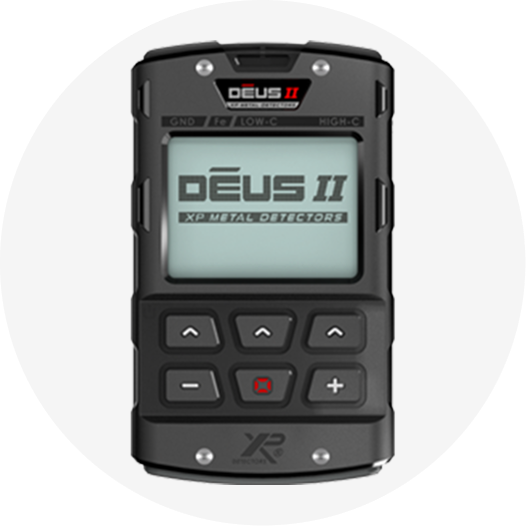
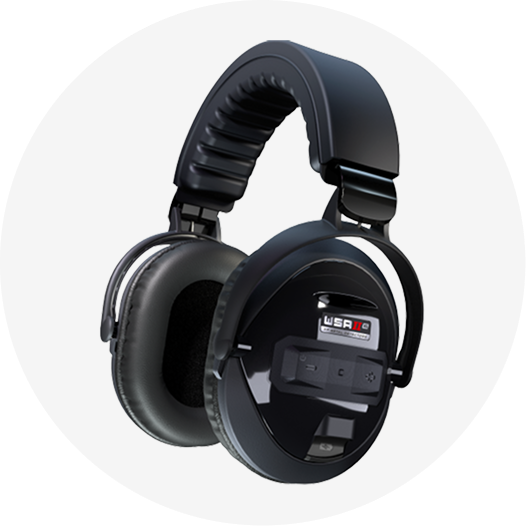
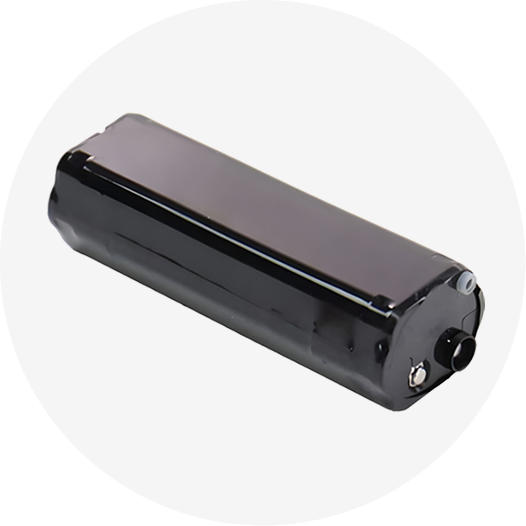
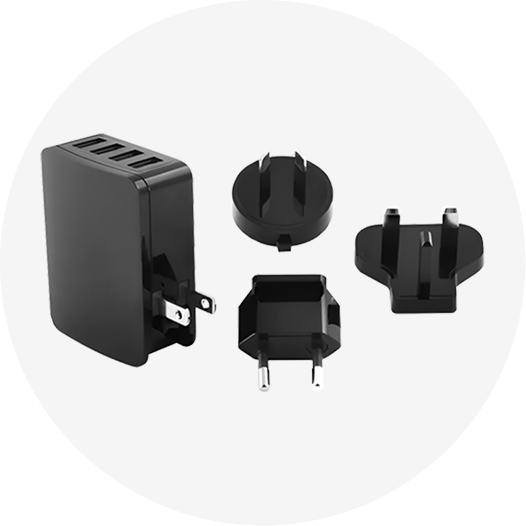
If you use DEUS Gold to search for natural gold and gold nuggets, this guide explains how to prepare the detector, choose the right search program, and adjust the most important settings such as Sensitivity, Ground Balance, Reactivity, and frequencies to get the best possible performance from the white XP HF2 coil under different detecting conditions.
Table of Contents
What Is DEUS Gold and How Is It Different from DEUS II?
DEUS Gold is a specialized configuration based on the French XP DEUS II platform and equipped with the white high-frequency XP HF2 coil. The purpose of this configuration is to focus the capabilities of DEUS II more strongly on natural gold prospecting, gold nuggets, and small metallic targets while taking advantage of the Gold Field program, FMF technology, and the higher frequencies available with the HF2 coil.
It is important to clarify that DEUS Gold is not a separate official model launched by XP. It is the name used by Detectors Shop for this specialized configuration based on DEUS II with the white HF2 coil.
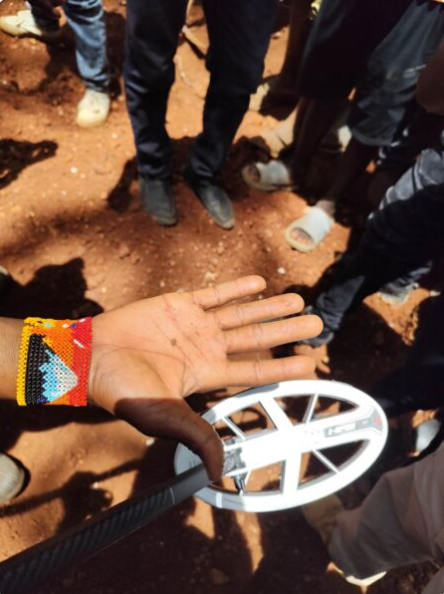
Why Is the HF2 Coil Suitable for Raw Gold Prospecting?
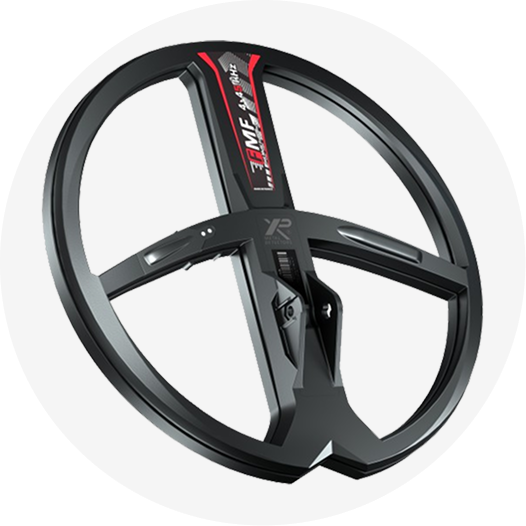
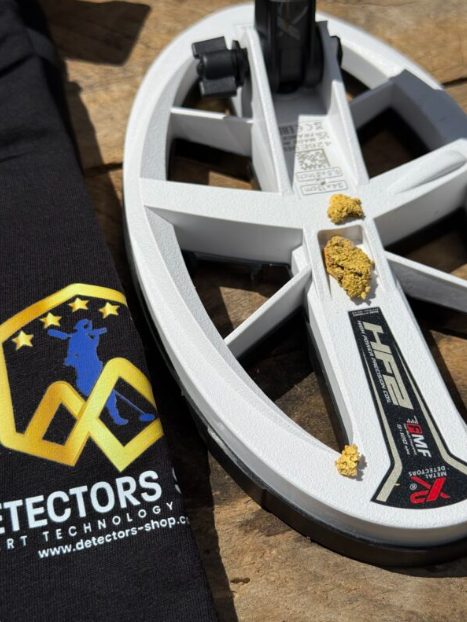
The XP HF2 coil is the key component that distinguishes the DEUS Gold configuration from traditional DEUS II setups because it provides higher frequency ranges that can improve sensitivity to small metallic targets and fine gold nuggets.
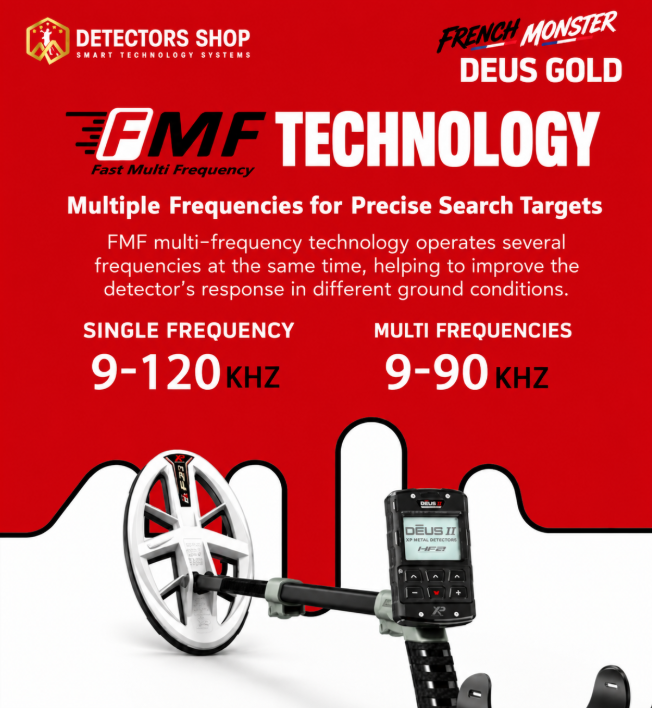
With the HF2 coil, FMF programs can operate at higher frequencies reaching approximately 89–90 kHz, depending on the program, while DEUS MONO mode can reach frequencies of up to approximately 120 kHz.
This gives users greater flexibility when searching for small targets in mineralized ground.
XP’s own documentation explains that higher frequencies are relatively more sensitive to smaller targets and indicates that the higher frequency ranges are particularly suitable for natural gold and small nuggets in highly mineralized soils.
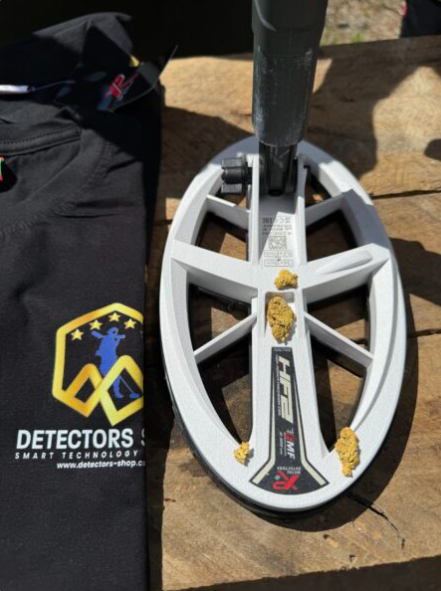
Best Program for Raw Gold with DEUS Gold: Gold Field
The Gold Field program is one of the most important starting points when using DEUS Gold for raw gold prospecting, especially in highly mineralized ground.
XP describes this program as being designed for gold-bearing and highly mineralized soils, environments where small gold nuggets may produce responses close to ground signals or certain ferrous targets.
Gold Field operates in a way that is close to an All Metal mode, so it does not rely on broad target rejection like some other programs.
Instead, it relies heavily on correct ground adjustment to reduce the effect of mineralized soil while maintaining sensitivity to small targets.
When Should You Use Gold Field?
- When searching for natural gold.
- When searching for small gold nuggets.
- In mineralized soils.
- In areas containing iron oxides or hot rocks.
- When ground signals are strong and variable.
Best DEUS Gold Settings for Raw Gold Prospecting
When using DEUS Gold for natural gold prospecting, there is no single group of settings that will work perfectly in every type of soil.
Mineralization, electromagnetic interference, iron contamination, and target size can vary significantly from one location to another.
The best approach is to start with balanced settings and then adjust them according to detector stability and ground response.
Start with the Gold Field program, then set Sensitivity to a high but stable level.
If the detector begins producing excessive or unstable signals, reduce Sensitivity slightly rather than automatically increasing it to the maximum value.
It is also recommended to use Ground Grab to adjust Ground Balance and repeat the adjustment whenever ground conditions change.
For Reactivity, a practical starting point is approximately 2 to 3.
In clean ground, it can be reduced slightly to provide a longer target response, while in mineralized or iron-contaminated soils, increasing Reactivity can improve target separation and stability.
For IAR, it is generally better to keep the setting low at first because excessive iron rejection could cause some weak or small signals to be missed in mineralized ground.
FMF is also recommended as the initial frequency mode. Single-frequency operation can then be tested when you need to focus on extremely small targets or deal with specific interference.
A practical starting setup is:
| Setting | Recommended Starting Point |
|---|---|
| Program | Gold Field |
| Sensitivity | High but stable |
| Ground Balance | GRAB |
| Reactivity | 2–3 |
| IAR | Low |
| Frequency | FMF |
| Audio Response | Medium |
The key is not to focus on achieving the highest possible number for every setting.
Instead, focus on keeping the detector stable while maintaining a clear response to small targets.
Ground Balance Settings on DEUS Gold
Ground Balance is one of the most important adjustments when using DEUS Gold for raw gold prospecting because mineralized soil can directly affect detector stability and sensitivity to small targets.
As ground mineralization increases, accurate adjustment becomes increasingly important so that soil responses are not confused with genuine target signals.
A good starting point is GRAB mode.
Pump the coil up and down over an area free of metallic targets while maintaining a consistent movement until the detector identifies the ground value and stabilizes.
Whenever the color or composition of the soil changes, or ground signals become more noticeable, it is a good idea to perform GRAB again.
Ground adjustment is particularly important in the Gold Field program because the program is designed to work in highly mineralized and gold-bearing ground and depends heavily on compensating for the local ground response while preserving sensitivity to natural gold.
If the ground is heavily mineralized, do not force the detector to operate at extremely high Sensitivity.
It is better to find a balance between Ground Balance, Sensitivity, and Reactivity so that the detector remains stable and produces signals that are easier to interpret.
A practical rule is simple:
Whenever ground conditions change, perform Ground Balance again instead of continuing for a long period with the same ground setting.
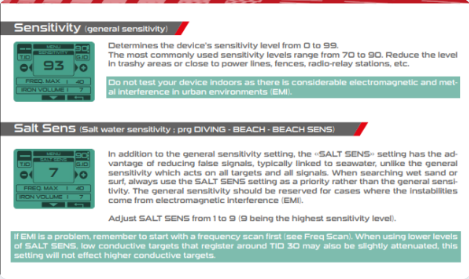
Sensitivity Settings on DEUS Gold
Sensitivity controls how strongly the detector responds to weak and small signals.
It is one of the most important settings when searching for natural gold and small gold nuggets.
However, increasing Sensitivity to the maximum value does not always produce better results.
The detector can become unstable and begin producing false signals caused by mineralized ground or electromagnetic interference.
XP indicates that Sensitivity is commonly operated at relatively high levels, but it should be reduced in areas with significant interference, near power lines, or whenever the detector becomes unstable.
With Gold Field in particular, XP recommends reducing Sensitivity in highly mineralized ground and setting it just below the instability threshold.
The goal is to achieve the highest usable Sensitivity while maintaining a stable and clear signal.
How Should You Adjust Sensitivity in Practice?
- Start with a high setting, but not the maximum.
- If the detector remains stable, increase Sensitivity gradually.
- If false or broken signals begin appearing, reduce it slightly.
- In highly mineralized ground, prioritize stability over high numbers.
- After changing Sensitivity, also monitor Ground Balance and Reactivity because these settings work together.
Reactivity Settings on DEUS Gold
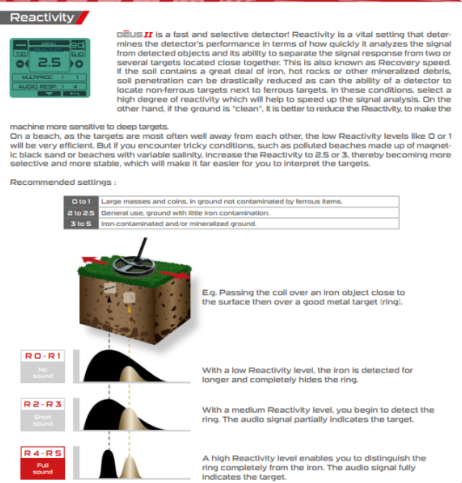
Reactivity, or recovery speed, controls how quickly the detector analyzes signals and separates targets located close together.
This setting is especially important in areas containing a lot of iron or mineralized soil because small targets may be located close to other signals or ground effects.
When Reactivity is low, the target response is longer and performance on deeper targets may improve in clean ground.
When Reactivity is increased, the detector becomes faster at separating nearby targets and can become more stable in environments with heavy iron contamination or mineralization.
XP generally suggests:
- 0 to 1: Large targets or clean ground.
- 2 to 2.5: General-purpose detecting.
- 3 to 5: Iron-contaminated or highly mineralized ground.
When using Gold Field in heavy mineralization, XP also indicates that increasing Reactivity may help provide better stability.
Practical Starting Point
For raw gold prospecting, start at approximately 2 to 3, then adjust according to the ground:
- Clean ground: reduce it slightly.
- Moderate mineralization: approximately 2 to 2.5.
- Heavy mineralization or dense iron: increase it gradually.
Frequencies on DEUS Gold and the HF2 Coil
One of the main reasons DEUS Gold performs strongly when prospecting for natural gold is the white XP HF2 coil.
It provides access to higher frequencies than many traditional coils, increasing the detector’s sensitivity to small metallic targets and fine gold nuggets, particularly in mineralized ground.
With the HF2 coil, users can operate FMF with multiple frequencies simultaneously, while DEUS MONO allows a single frequency to be selected according to the target type and ground conditions.
According to XP documentation, the HF2 single-frequency range can reach approximately 120 kHz, while certain FMF settings can reach approximately 89–90 kHz, depending on the selected program.
Higher frequencies are relatively more sensitive to small and low-conductivity targets.
For this reason, XP indicates that higher frequency ranges can be particularly useful for detecting small gold nuggets in highly mineralized soils.
When Should You Use Higher Frequencies?
- When searching for very small gold nuggets.
- In highly mineralized ground.
- When the target is small and close to the surface.
- When higher sensitivity to low-conductivity targets is required.
However, the highest frequency is not automatically the best choice in every situation.
Larger targets may respond better at lower or medium frequencies, so it is better to test different ranges according to target size and site conditions.
The XP HF2 coil provides high operating frequencies that can improve sensitivity to gold nuggets and small metallic targets.
How to Sweep the DEUS Gold Coil Correctly
Coil movement has a direct effect on how DEUS Gold responds to small targets.
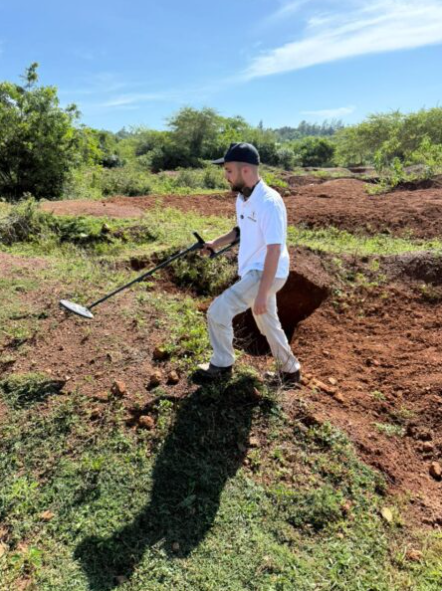
During detection, keep the HF2 coil as close and parallel to the ground as possible without lifting it excessively at the end of each sweep.
The sweep should be smooth and consistent, with slight overlap between each pass and the next so that no unsearched gaps are left behind.
In areas with strong mineralization or numerous targets, slowing the sweep can give the detector more time to analyze the signals.
When you hear a weak or unclear response, do not immediately ignore it.
Sweep over the same point again from another direction because small targets may become clearer when the sweep angle changes.
To locate the target more accurately, sweep across the signal from one direction and then repeat at approximately a 90-degree angle.
The intersection of the strongest responses will often be the closest point to the target’s actual location.
Why Is DEUS Gold Suitable for Raw Gold Prospecting?
DEUS Gold is built around the XP DEUS II platform and the white HF2 coil to take advantage of the sensitivity of higher frequencies to small targets and gold nuggets.
This configuration allows the user to combine FMF multi-frequency technology, the Gold Field program, and the higher frequency ranges provided by HF2.
One of the main challenges in natural gold prospecting is that small nuggets may produce weak responses, particularly in mineralized ground.
The HF2 coil and higher frequencies can increase sensitivity to these targets, while Gold Field helps the detector operate more effectively in highly mineralized soils.
XP explains that higher frequencies are relatively more sensitive to smaller targets, including gold nuggets in mineralized ground.
The underlying XP DEUS II platform also uses FMF technology and fully wireless communication, making the detector lightweight and suitable for long detecting sessions and movement across difficult terrain. detectors shop
XP DEUS II vs DEUS Gold
DEUS Gold is fundamentally based on the XP DEUS II platform, so it retains the main characteristics of the original detector, including FMF technology, wireless operation, lightweight construction, and multiple detecting programs.
The primary difference is that the DEUS Gold configuration uses the white XP HF2 coil and is presented as a configuration more specifically oriented toward natural gold, gold nuggets, and small targets.
| Feature | XP DEUS II | DEUS Gold |
|---|---|---|
| Base Platform | XP DEUS II | XP DEUS II |
| Search Coil | Depends on selected configuration | White XP HF2 |
| Technology | FMF / Wireless | FMF / Wireless |
| Main Focus | Multipurpose metal detecting | Raw gold, nuggets and small targets |
| Frequencies with HF2 | Depends on coil and program | Up to about 89–90 kHz in some FMF programs and up to 120 kHz in DEUS MONO |
| Recommended Raw Gold Program | Gold Field available | Gold Field combined with HF2 |
| Configuration | Original XP detector platform | Specialized configuration offered by Detectors Shop |
The HF2 coil is capable of operating across high frequency ranges, which can be especially useful for small and low-conductivity targets such as gold nuggets in mineralized soil.
XP also explains that higher frequencies can increase the proportion of small targets detected, especially when HF2 is used under these conditions.
Common Mistakes When Using DEUS Gold for Raw Gold Prospecting
Even with the correct settings, users may still miss small targets because of detecting technique rather than detector performance.
For this reason, several common mistakes should be avoided when working with DEUS Gold and the XP HF2 coil.
One of the most common mistakes is setting Sensitivity to its maximum level in every type of ground.
In highly mineralized soil, this can increase false signals and detector instability.
The better approach is to use the highest Sensitivity level that still allows the detector to remain stable and produce a clear response.
Another common mistake is ignoring Ground Balance.
When moving from one soil type to another, or whenever the ground response changes significantly, it is better to perform GRAB again so the detector can adapt to the new conditions, particularly when using Gold Field.
It is also not recommended to sweep the HF2 coil too quickly or lift it significantly at the end of each pass.
Keep the coil close and parallel to the ground with slight overlap between search paths so that the entire area is covered.
Another mistake is assuming that the highest frequency is always the best.
Higher frequencies are excellent for small targets and gold nuggets, but they are not automatically the best choice for every target or ground condition.
Frequency selection should depend on target size, mineralization, interference, and detector stability.
Finally, do not immediately ignore weak or broken signals.
Recheck the location from another direction, particularly at approximately 90 degrees, before deciding whether to dig or move on.
How to Set Up DEUS Gold for the First Time
When using DEUS Gold for the first time, it is better to begin with a simple and stable setup rather than changing several settings at once.
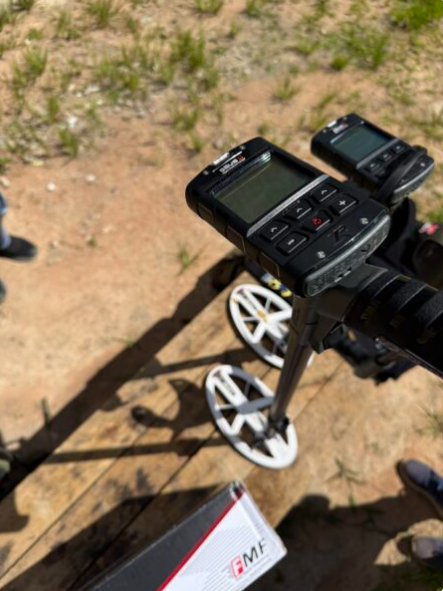
Turn on the remote control, confirm that the HF2 coil is connected correctly, and then select Gold Field as the initial program for natural gold prospecting.
Before beginning the search, move away from visible metallic objects on the ground and perform Ground Grab over a clean area so the detector can identify the soil conditions and adjust Ground Balance.
This step is particularly important in mineralized ground because incorrect Ground Balance may increase false ground responses and make small targets harder to identify.
Next, set Sensitivity to a high but stable level and begin sweeping the coil slowly and parallel to the ground.
If you experience interference or unstable responses, reduce Sensitivity slightly or gradually increase Reactivity until you achieve a good balance between sensitivity and stability.
During the search, do not rely on only one pass over a signal.
If you hear a weak target, scan it again from another direction and try to identify the center of the response before digging.
XP recommends crossed sweeps as a practical method for improving target location.
How Do You Know if a Signal Is Worth Digging?
While searching with DEUS Gold, you may hear clear, strong signals as well as weak or broken responses.
A signal worth investigating is not necessarily the loudest one, particularly when searching for small gold nuggets or fine targets.
When you receive a signal, sweep over the same point from several directions.
If the response repeats in the same location, even if it is weak, it is worth stopping and investigating.
If the signal disappears completely when the sweep angle changes, it may be caused by the soil or an irregular target.
A crossed sweep at approximately 90 degrees can also be helpful.
When the strongest response repeats at the intersection point, locating the target before digging becomes easier.
XP describes this method as a practical way to locate the center of a target more accurately.
In mineralized ground, do not rely solely on the Target ID number or audio strength.
Some small targets may produce unstable responses, so it is better to consider signal repeatability, sweep direction, and detector response after readjusting Ground Balance when necessary.
How to Use DEUS Gold in Highly Mineralized Ground
When using DEUS Gold in highly mineralized ground, you may experience increased ground signals or unstable responses, particularly when searching for very small targets.
In these conditions, increasing Sensitivity is not always the solution.
Instead, balance the detector settings so that you can search for small gold nuggets without excessive interference.
Start with Gold Field and perform Ground Grab over an area free of metal.
Then adjust Sensitivity to a high but stable level.
If false signals continue, Reactivity can be increased gradually to improve stability and target separation.
The XP HF2 coil provides an important advantage in this type of ground because higher frequencies are more sensitive to small and low-conductivity targets, including fine gold nuggets.
However, frequency must always be balanced against detector stability and ground conditions.
If the soil continues producing strong responses, do not hesitate to reduce Sensitivity slightly.
When searching for natural gold, stability is more important than achieving the highest possible setting value.
DEUS Gold Field Tests for Raw Gold Prospecting
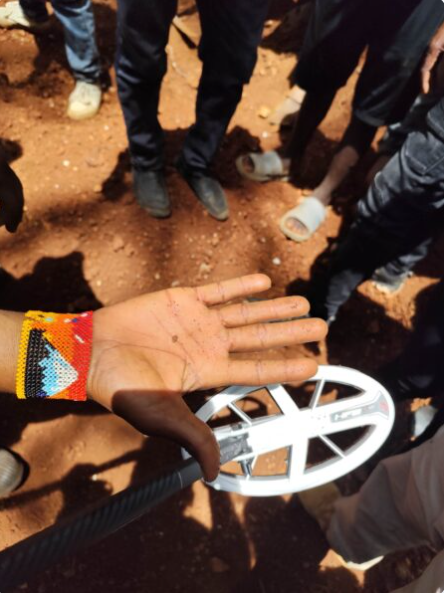
Field testing provides a clearer picture of how DEUS Gold performs outside theoretical settings, particularly when the XP HF2 coil is used to search for small targets and natural gold.
Images and tests performed with this configuration demonstrate the importance of correct detector adjustment.
Performance does not depend on frequency alone, but on the balance between Sensitivity, Ground Balance, and Reactivity.
When searching for gold nuggets, the target may be extremely small, so its signal may be shorter or weaker than the signal generated by larger metallic objects.
This is where HF2 and higher frequencies become particularly useful, especially when combined with Gold Field and accurate Ground Balance before detecting.
In real-world field conditions, it is important to recheck small signals from several directions and not rely on only one sweep.
Some fine targets may become clearer when the sweep angle is changed or the coil is moved more slowly across the area.
DEUS Gold performance is also directly affected by site conditions.
In clean ground, more sensitive settings may be possible, while in mineralized ground stability becomes more important and you may need to reduce Sensitivity or adjust Reactivity for a clearer response.
DEUS Gold and HF2 Coil Maintenance and Charging
To maintain the performance of DEUS Gold and the XP HF2 coil over time, proper cleaning, charging, and storage are important after each detecting trip, particularly when the detector has been used in damp soil or areas containing fine dust and sand.
After detecting, gently clean the HF2 coil and remove any soil from its surface and from the stem attachment area.
Avoid sharp tools or aggressive cleaning products.
A soft cloth and clean water are generally sufficient when cleaning is required.
Also make sure the detector components are charged before long detecting sessions because the XP DEUS II platform uses a wireless system and integrated batteries in its components.
XP’s official documentation includes battery and charging information for the system.
If DEUS Gold will not be used for an extended period, store it in a dry location away from direct heat and avoid leaving the coil or remote control inside a vehicle exposed to direct sunlight for long periods.
Is DEUS Gold Suitable for Raw Gold?
Yes. This configuration is suitable for this type of detecting because it combines the Gold Field program with the high-frequency HF2 coil.
XP identifies Gold Field as a program intended for gold-bearing and highly mineralized ground, while higher frequencies can improve sensitivity to smaller targets.
What Is the Best DEUS Gold Program for Gold Prospecting?
Gold Field is the best starting point for natural gold prospecting, particularly in highly mineralized soil.
After selecting the program, Ground Balance, Sensitivity, and Reactivity should be adjusted according to site conditions rather than relying only on the default settings.
What Is the Benefit of the XP HF2 Coil on DEUS Gold?
The XP HF2 coil provides access to high frequency ranges that can improve response to small and low-conductivity targets.
With HF2, some FMF settings can reach approximately 89–90 kHz, while DEUS MONO can reach approximately 120 kHz.
Is the Highest Frequency Always Best for Detecting Gold Nuggets?
No.
Higher frequencies are extremely useful for small targets, but they are not the best option in every situation.
Target size, mineralization, interference, and detector stability should all be considered when choosing the frequency.
What Are the Best DEUS Gold Settings?
There is no single setup that works for every type of ground.
As a starting point, you can use Gold Field, high but stable Sensitivity, Ground Balance using GRAB, and moderate Reactivity, then adjust the settings according to the site.
Should Ground Balance Be Performed at Every Site?
It is recommended, particularly when soil conditions change or when moving to a different area.
Mineralized soil can strongly affect detector response during natural gold prospecting, so repeating GRAB can improve stability.
Is DEUS Gold Suitable for Beginners?
Beginners can use DEUS Gold, but achieving its best performance requires understanding basic settings such as Sensitivity, Ground Balance, Reactivity, and Gold Field.
Once these settings are understood, adjusting the detector in the field becomes much easier.
Conclusion: Is DEUS Gold Right for You?
If your main focus is searching for natural gold, gold nuggets, and small metallic targets, DEUS Gold provides a configuration oriented toward this type of detecting by combining the XP DEUS II platform, the white XP HF2 coil, and the Gold Field program.
The real strength of this configuration does not come simply from increasing Sensitivity or choosing the highest frequency.
It comes from balancing the detector according to ground conditions.
Correct Ground Balance, appropriate Reactivity, and a stable Sensitivity level can make a significant difference in real field performance.
For complete product details and specifications, visit the DEUS II HF2 GOLD product page. The live English product page confirms that your English version is already available at /product/deus_hf
If you are still comparing different options and want to better understand the available choices before buying, you can read our guide to Gold Detectors.
A stable setup can make a significant difference in real-world detecting performance.
Gold Detectors in Egypt
Gold Detectors in Egypt In recent years, there has been a growing interest in gold detectors in Egypt as many people search for the most effective ways to locate buried treasures and precious metals. This article will cover everything you need to know about gold detectors in Egypt, from their benefits and how they work to their types and best practices for using them.
Importance of Gold Detectors in Egypt
Gold detectors in Egypt are of great significance for several reasons:
- Rich Historical Heritage: Egypt is home to many archaeological treasures and precious metals, thanks to its ancient civilization and rich history.
- Safety and Precision: Gold detectors provide safety and precision in search and excavation operations compared to traditional methods.
How Do Gold Detectors Work in Egypt?
Gold detectors in Egypt rely on electromagnetic detection technology. When the device is activated, it sends electromagnetic waves that penetrate the ground. When these waves hit a metallic object, they reflect back to the device, which analyzes the signals to determine the type and depth of the metal.
Gold detectors operate using different technologies based on the physical principles of detecting buried metals. There are several types of gold detectors, but the most common ones rely on two main technologies: Very Low Frequency (VLF) and Pulse Induction (PI). Here’s how these devices work:
- Very Low Frequency (VLF) Technology
- Principle: VLF technology uses low-frequency radio waves to detect metals. This technology uses two coils, a transmitting coil and a receiving coil.
- How It Works:
- Transmitting Coil: Sends low-frequency electromagnetic waves into the ground.
- Receiving Coil: Receives the reflected waves from buried objects.
- Interaction with Metals: When the electromagnetic waves hit a metal object, small electric currents are generated in the metal. These currents produce a small magnetic field.
- Metal Detection: The receiving coil captures these secondary magnetic fields and analyzes changes in frequency and phase to determine the presence, type, and depth of the metal.
- Advantages:
- High accuracy in determining the location and type of metal.
- Good sensitivity to small metals.
- Pulse Induction (PI) Technology
- Principle: PI technology relies on sending short, high-energy electromagnetic pulses into the ground.
- How It Works:
- Sending Pulses: Strong, short electromagnetic pulses are sent into the ground.
- Receiving Reflected Pulses: After sending the pulses, the device switches to receive mode to capture the reflected pulses.
- Interaction with Metals: When the pulses hit a metal object, eddy currents are generated in the metal, producing secondary magnetic pulses.
- Pulse Analysis: The device receives the secondary pulses and analyzes their return time and intensity to determine the presence and depth of the metal.
- Advantages:
- High ability to penetrate deep soils.
- Good performance in environments with high mineral content or salinity.
- Other Technologies
- Multi-Frequency (MF) Technology: Uses multiple frequencies to detect various types and sizes of metals.
- 3D Imaging Technology: Provides 3D images of buried objects using intensive ground scanning.
Main Components of Gold Detectors
- Coil: Sends and receives electromagnetic signals.
- Control Unit: Contains electronic circuits and processors for signal analysis.
- Display: Shows information about the type and depth of the metal.
- Battery: Powers the device.
Types of Gold Detectors in Egypt
There are several types of gold detectors in Egypt, each suited for different needs:
- VLF Detectors: Ideal for detecting small, near-surface objects.
- PI Detectors: Effective for detecting metals at greater depths and work well in salty soils.
- Multi-Frequency Detectors: Combine VLF and PI technologies for high detection accuracy.
Best Gold Detectors in Egypt
- Gold Hunter Smart
- Features:
- Advanced technology for high-accuracy target identification.
- Detection range up to 50 meters deep and covers areas up to 3000 square meters.
- Modern display screen for clear and direct results.
- Easy to use, making it ideal for both beginners and professionals.
- Product Description:
- Gold Hunter Smart is designed to work in various terrains and challenging climatic conditions with ease.Four different search systems for precious and non-precious metals, caves, diamonds, and 2D imaging for depth determination.Available in six languages: German, English, French, Spanish, Italian, and Arabic.
- Titan Ger 1000
- Features:
- Five integrated detection systems, suitable for raw gold, buried gold, metals, caves, and groundwater.
- Detection depth up to 45 meters underground.
- Advanced user interface with a large LCD screen for detailed and accurate data display.
- Data analysis feature to accurately determine the type and depth of the metal.
- Product Description:
- Titan Ger 1000 is a complete search station with five search systems in one device.
- High-precision technology capable of overcoming all types of mineral rocks with automatic calibration.
- Available with a five-year golden warranty and comprehensive training and support.
- Xtrem Hunter
- Features:
- High-performance in detecting gold and precious metals.
- Advanced audio system for clear signal identification.
- Adaptability to various terrains, making it reliable in deserts, mountains, forests, and beaches.
- Durable and lightweight design for ease of transport and use.
- Smart control interface for easy setting adjustments and search customization.
How to Choose the Right Gold Detector
When choosing a gold detector, consider the following factors:
- Budget: Determine your budget and choose a device that fits within it.
- Environment: Select a device suitable for the type of soil and climate in the area where you will use it.
- Purpose: Decide whether you need the device for a hobby or professional use and choose accordingly.
Tips for Using Gold Detectors in Egypt
- Learn How to Use the Device: Read the manual and use the device in a test environment before starting the actual search.
- Use the Right Tools: Use tools like pickaxes and brushes to facilitate digging and excavation.
Gold detectors in Egypt are powerful tools for hobbyists and professional prospectors, helping them easily and accurately discover buried treasures and precious metals. By choosing the right device and following proper practices, impressive results can be achieved, taking advantage of the opportunities lying beneath the surface.
If you are considering starting a prospecting journey, “Detectors Shop” in Dubai offers a wide range of high-quality gold detectors to suit all needs and budgets.
We hope this article has provided you with the necessary and comprehensive information about gold detectors in Egypt. If you have any questions or need more information, do not hesitate to contact us.
How to Purchase a Gold Detector from GER Detect Dubai
In the world of gold and treasure hunting, a detector plays a crucial role. If you are looking for a powerful and effective tool for exploring gold, purchasing a device from GER Detect Dubai, the exclusive agent in Dubai for gold detectors from the German manufacturer GER Detect, could be the ideal choice.

Steps to Purchase a Gold Detector from GER Detect Dubai How to Purchase a Gold Detector from GER Detect Dubai
- Visit the GER Detect Dubai Showroom: Start your journey by visiting the GER Detect showroom in Dubai. Here, you will find a wide range of advanced gold and metal detectors. The sales experts at
How to Purchase a Gold Detector from GER Detect DubaiGER Detect products carry quality certifications from internationally recognized bodies. This reflects the company’s commitment to strict standards and the quality of the devices it offers.
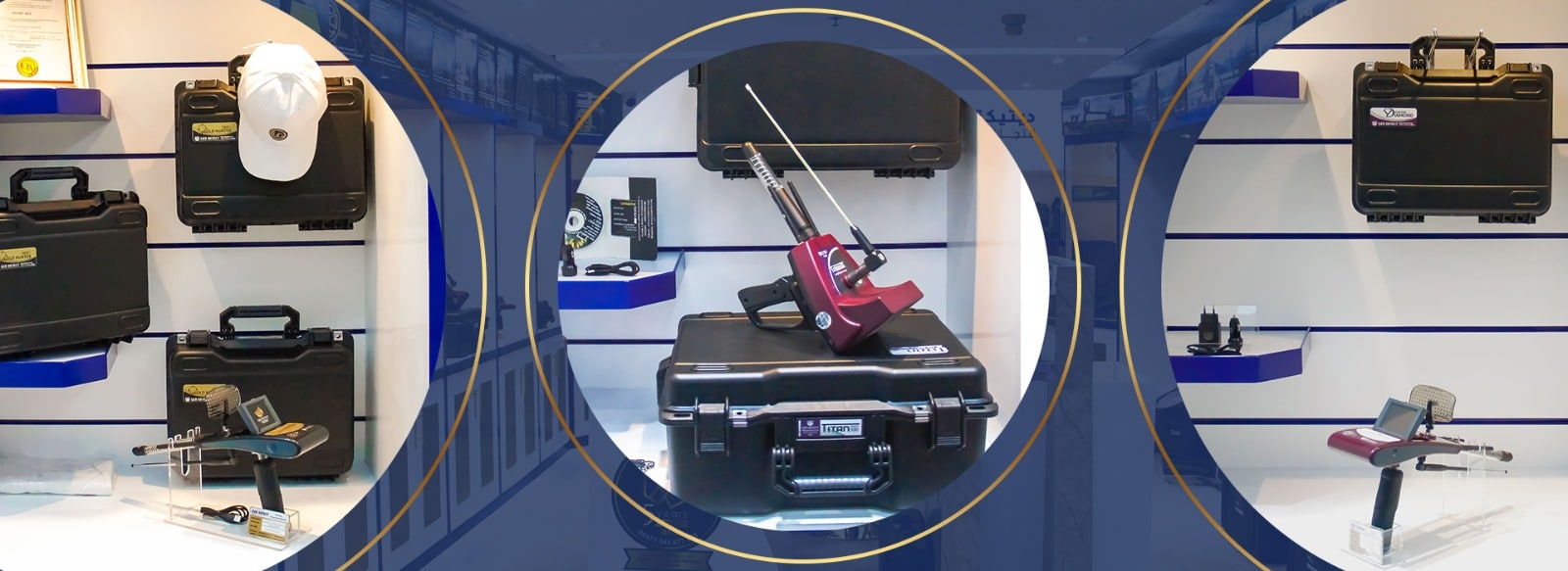
the showroom can advise you on the appropriate devices that meet your specific needs.- Choose the Right Device: GER Detect offers a variety of devices, from the Titan Ger 1000 to the Gold Seeker. Select the device that fits your ambitions and specific needs for gold prospecting. Titan Ger 1000: This device is among the latest and best in the world of gold and metal detection, featuring high precision and the ability to sense targets at great depths.
How to Purchase a Gold Detector from GER Detect Dubai
- Features:
- A complete search station with five integrated search systems for detecting gold, precious metals, treasures, and underground cavities up to 45 meters deep and covering an area of 2500 square meters.
- Five-year golden warranty.
- Supports the Arabic language.
- Price: $14,500.
- Includes comprehensive training and support.
- Features:
- Five search systems in one device.
- Front range of 3000 square meters and a maximum depth of 40 meters.
- Supports six languages: German, English, French, Italian, Spanish, and Arabic.
- Features:
- New system with imaging and 2D technology for detecting precious and non-precious metals.
- Four search systems for precious and non-precious metals, underground cavities, diamonds, and 2D imaging for depth determination.
- Front range of 3000 square meters and a maximum depth of 50 meters.
- Supports six languages: German, English, French, Spanish, Italian, and Arabic.
- Features:
- Developed with professional technology for detecting diamonds and gemstones.
- Three search systems for gemstones, diamonds, and result analysis with accurate depth determination.
- Front range of 3000 square meters and a depth of 50 meters.
- Inquire About Warranty and Training: Enjoy the confidence of purchasing from GER Detect with a five-year golden warranty. They also provide free training on proper device usage, ensuring you get the most out of your detector.
- Contact the Technical Team: For any inquiries or additional information, you can contact the technical support team at GER Detect. They are ready to offer assistance and guidance.
- Purchase and Delivery: Once you decide on the purchase, you can complete the transaction either at the showroom or through the official website. Convenient delivery options are available to make your buying experience smooth and easy.
- Start Your Exploration Journey: Once your detector arrives, you can begin your gold and metal exploration journey. Follow the training you received to ensure efficient and proper device usage.
https://web.whatsapp.com/send?phone=971561688466
Learn More About GER Detect Gold and Metal Detectors How to Purchase a Gold Detector from GER Detect Dubai:
GER Detect offers a wide range of devices that cater to the needs of raw gold seekers. Whether you are searching for gold in shallow or deep areas, the company provides an effective technological solution.
Raw Gold Detection:
GER Detect Dubai specializes in providing devices that detect raw gold with high accuracy. These devices are designed with advanced technologies to pinpoint locations precisely, increasing the chances of finding large quantities of gold.
Device Variety:
GER Detect offers a diverse range of devices to meet different user needs. Whether you are looking for raw gold or heavy metals, there is a suitable device for every challenge.
Wide Range of Resource Detection:
GER Detect excels in providing devices for detecting not only gold and metals but also buried treasures and gemstones, as well as the capability to detect groundwater.
Raw Gold Detectors:
For ambitious explorers searching for raw gold, GER Detect is an unparalleled choice. The company offers advanced devices specifically designed for detecting gold in its early stages with high accuracy.
Advanced Technology:
GER Detect employs the latest technology in the design and development of its raw gold detection devices. This includes the use of high-precision sensing systems and advanced analysis techniques to
How to Purchase a Gold Detector from GER Detect Dubai enhance detection accuracy and reduce interference from other metals.
Wide Range of Settings:
How to Purchase a Gold Detector from GER Detect Dubai GER Detect devices allow users to adjust settings flexibly, enabling them to customize the device’s performance according to the detection environment and soil type. This helps optimize device performance in various conditions.
Excellent After-Sales Service:
GER Detect enhances the customer experience by providing excellent after-sales service. Customers can rely on specialized technical support and guidance on device maintenance, ensuring sustained and efficient use How to Purchase a Gold Detector from GER Detect Dubai.
Quality and Certification:
Integrated Solutions:
GER Detect understands that gold prospecting requires comprehensive tools. Therefore, the company provides integrated solutions that include a variety of detection devices and useful accessories to meet diverse user needs How to Purchase a Gold Detector from GER Detect Dubai
Software Updates and Continuous Development:
How to Purchase a Gold Detector from GER Detect Dubai
GER Detect regularly provides software updates for its devices, ensuring improved stability and performance. This reflects the company’s commitment to delivering advanced technologies and continuous development.
Successful Experiences and Satisfaction Testimonials:
GER Detect devices have proven their efficiency through intensive field tests and numerous successful trials worldwide. They are designed to turn beginners into professional treasure hunters, achieving the best results.
Latest GER Detect Devices:
How to Purchase a Gold Detector from GER Detect Dubai
Explore the world of treasures and precious metals with the UIG Gold Digger from GER Detect! In this video, we review a field experience with the device and how to use it to find gold and treasures.
UIG Gold Digger: Price: $2,799
- Depth: Up to 4 meters underground.
- Seven different search systems in one device.
- Detects buried gold, raw gold, treasures, and gold, bronze, and silver coins underground.
- Free shipping on all products.
After extensive research and field trials, GER Detect proudly presents the new and first-of-its-kind UIG GOLD DIGGER for detecting gold, precious metals, and buried treasures.
- Main Features:
- Seven search systems in one device.
- Latest technology for detecting gold and metals.
- Precious metal discrimination system.
- 4.3-inch touch screen.
- Long-lasting battery life.
- Two-year factory warranty.
- Five-year golden warranty for follow-up and training from Detectors Shop in Dubai.
The UIG GOLD DIGGER operates on an advanced automatic VLF system with high precision in distinguishing between precious and non-precious metals.
Available Languages:
German, Arabic, English, French, Spanish, Portuguese
How to Purchase a Gold Detector from GER Detect Dubai
The UIG Gold Digger offers gold prospectors a highly efficient and easy-to-use tool, with an automatic operating system that adapts to various soil types.
How to Purchase a Gold Detector from GER Detect Dubai
By purchasing a gold detector from GER Detect, you invest in advanced and effective technology. Enjoy a unique search experience and explore the world of treasures with a device that meets and exceeds your expectations.
Discover Metal and buried Treasure Detectors Metal Detectors
Many prospectors around the world are constantly searching for buried treasures, gold, and precious metals, and most of them use gold detectors for this task, which allow them to pinpoint the location of buried treasures and other valuable finds.
In this article, we will outline the basics of how a gold detector works, the different types available, and the key features to consider when choosing a detector.
Types of Metal Detectors
Metal detectors are not limited to detecting gold; they can also detect other types of precious metals such as:
- Copper
- Silver
- Iron
- Bronze
- Aluminum
Gold Detection
Gold detectors can be used for various purposes, such as detecting precious metals underground, discovering raw gold and buried treasures, and locating mines of precious metals and raw gold.
There are many different devices available for detecting metals, but imaging detection systems and long-range detection are the most effective and widely used. Imaging detection systems are particularly known for providing the most accurate representation of metals and giving a clear image of the potential discovery site.
Metal detectors offer many advantages, such as the ability to detect metals at multiple depths, reducing external vibrations, and saving time and effort. However, there are some steps to consider before purchasing any metal detector, such as understanding the terrain you will be searching in, knowing the necessary systems in the required device to achieve your search goals accurately and easily, and understanding the correct direction before use.
Detectors Shop is the best company for selling gold and metal detectors in Dubai and the Middle East because it is the exclusive agent for major global manufacturers of gold and metal detectors, offering a warranty of up to 5 years, free training, and continuous follow-up after purchase.
The Importance of Gold Detectors
Modern gold detectors are essential in the successful excavation of gold and valuable treasures, making the prospecting process faster and more efficient, and helping users find gold and metals with ease.
Gold detectors have many great features, such as reducing the manual effort that searching for gold can require and enabling the detection of different metals based on their consistency with specific markers within the device. Follow our Facebook page for more updates.
The Importance of Metal Detectors
Metal detectors are becoming increasingly important in the search for gold by using advanced digital detection techniques, which create direct images of areas most closely associated with metals, helping users find gold more quickly and accurately.
Types of Gold Detectors Available on the Market
There are many types of gold and metal detectors available on the market, making it challenging to choose the most suitable device for prospectors and treasure hunters. Some of the most important types include:
- Long-Range Gold Detectors: These devices use electromagnetic search technology, detecting gold by identifying changes in electric and magnetic currents.
- Imaging Gold Detectors: These devices use remote sensing and thermal imaging to identify the locations of treasures and metals, allowing users to view captured images and locations through mobile apps.
- Geophysical Gold Detectors: These devices use geophysical scanning technology to identify rock formations and gemstones, and they also allow users to locate groundwater, wells, and voids in the soil.
- Frequency Gold Detectors: This type of device generates multiple frequency waves to locate gold and metals, allowing users to easily operate them and quickly identify the locations of treasures and metals.
Advantages of Imaging Metal Detectors
Imaging metal detectors represent one of the most advanced systems used in modern metal detection under the ground. This system stands out with its ability to provide a precise 3D representation of the target for more detailed information.
The imaging system allows users to see the target clearly, making it easier to explore, and it also offers the ability to precisely determine the depth of the targets. Although not perfect, imaging systems are among the most important tools in the field of treasure hunting, as their use in exploring natural resources directly increases productivity and profitability and makes metal detection faster and easier.
