











The Most Important Reasons for Failing to Find Treasures During Search and Excavation
Many dream of searching for hidden treasures and wealth beneath the earth’s layers, driving them to venture into the field of excavation. However, not everyone achieves this dream. Many treasure hunters face obstacles and challenges that stand in their way and prevent them from reaching their goal. In this article, we will discuss the main reasons for failure in finding treasures during search and excavation operations.
The Most Important Reasons for Failing to Find Treasures During Search and Excavation
- Lack of Information and Previous Studies:
- Some start searching for treasures without studying the available information or looking into previous experiences. This lack of knowledge can lead to wrong decisions and a waste of time and effort.
- Techniques Used:
- Using simple or outdated techniques in the excavation process can complicate the search. Technological advancements have provided advanced tools and techniques that help in accurately locating treasures.
- Environmental Factors:
- Some environments are difficult and dangerous, such as hot deserts or dense forests, making the excavation process a significant challenge.
- Financial Costs:
- The financial costs associated with search and excavation operations can be very high, causing researchers to stop their search before reaching their goal.
- Lack of Proper Licensing:
- Treasure hunting requires special licenses from the government or local authorities, and excavating without a license can lead to legal problems.
- Patience and Perseverance:
- Treasure hunters need long-term patience and strong determination. Despair and loss of hope can cause the researcher to stop before reaching the goal.
- Risks and Threats:
- There can be physical and biological risks associated with excavation operations, such as dangerous animals or toxic materials.
- False Beliefs and Myths:
- Some rely on old legends or inherited stories without reliable sources. These beliefs can mislead the researcher away from the actual treasure location or completely deceive them.
- Human Interference:
- Sometimes a potential treasure site is discovered, but human interventions such as construction or agriculture can change the place’s features and make the search more difficult.
- Time Estimation:
- Searching for treasure can take a very long time, sometimes months or even years. Many researchers misestimate the time, leading to resource and energy depletion before reaching the goal.
- Surface Evaluation:
- Researchers may rely on a superficial evaluation of the land instead of conducting deep and comprehensive studies, leading to missed discovery opportunities.
- Safety and Health:
- Searching for treasures in remote areas can expose researchers to diseases or injuries, especially if they are not well-prepared.
- Political and Social Factors:
- Sometimes, researchers face opposition from local residents or difficulties due to the political situation in the area.
- Competition:
- There can be intense competition among treasure hunters, leading to interventions and attempts to mislead other researchers.
To ensure a higher chance of success in treasure hunting, researchers should follow a systematic and well-thought-out approach. They should seek experts in the field, rely on advanced tools and techniques, and take sufficient time for planning and preparation before starting their adventure.
Conclusion
Despite the grand dreams many have about finding hidden treasures, reality indicates that there are numerous factors that may hinder the researcher from achieving their goal. Therefore, good planning and providing the necessary resources are essential before embarking on the treasure excavation process.
Understanding the Difference Between Audio and Imaging Gold and Metal Detectors through This Detailed Article
Gold and metal detectors are used for detecting precious and other metals, but the capabilities of these devices vary. Some gold and metal detectors can isolate non-precious metals and iron. A gold prospecting device also has the ability to search for multiple metals, and metal detection devices are primarily used by hobbyists looking to find a wide range of metals such as artifacts, handmade items, coins, and jewelry including silver and gold, among others.
A regular metal detection device can be used to search for gold rings, jewelry, and coins, which are larger compared to finding regular gold, including small gold nuggets and gold flakes. For the latter, you will need a real gold detector, as metal detectors can be affected by many anomalies and objects that have similar conductivity to gold.
Gold has important properties compared to other metals, such as low conductivity, which means that a detector operating at a high frequency will work better. The most suitable metal detection devices for gold prospecting operate at higher frequencies, starting from 45 kHz up to 61 kHz, while regular metal detection devices typically operate at lower frequencies between 6.5 kHz and 14 kHz.
Difference Between Metal Detectors and Gold Detectors:
Yes, there is a difference. However, this is a very simple explanation. If you want to make the most of your time in search, you will need to know a set of great specifications and features of metal and gold detectors.
Key Differences:
Metal Detector:
- Low Frequency: Suitable for detecting large pieces or jewelry containing mixed metals.
- Suitable for: Low to medium mineralized and rocky grounds.
Gold Detector:
- High Frequency: Capable of detecting small gold nuggets.
- Suitable for: Highly mineralized ground.
How Do Metal Detectors Work?
Before we explain the differences between metal and gold detectors, you should understand the basics of how metal detectors work.
Some Key Terms:
- Object Search: A metal detection device transmits an electromagnetic field (EM) through a coil into the ground. When metal targets come into contact with the field, they become activated and generate their own field, which is picked up by the metal detector.
Why is Frequency Important?
A metal detection device identifies targets by their electrical conductivity. This is why they respond to multiple frequencies. Low-frequency machines are best for detecting metals with high conductivity, such as silver, while high-frequency devices detect low conductivity metals such as gold and iron.
Regular metal detection devices operate at frequencies ranging from 5 to 15 kHz, while gold detection devices operate at frequencies ranging from 45 to 61 kHz.
Types of Metal Detectors:
There are three types of metal detectors:
- Basic Metal Detectors: These are very weak and not useful for gold prospecting, typically available in electronic stores.
- VLF (Very Low Frequency): High-precision and sensitive devices ideal for various purposes, useful for searching small to medium-sized gold nuggets at depths less than 8 feet.
- PI (Pulse Induction): Specialized detectors designed to reach the greatest depths in highly mineralized grounds.
Technically, gold prospecting devices are just specially tuned metal detectors for detecting gold signals. The most advanced gold detectors are PI detectors, capable of distinguishing gold from other metals.
What are the Most Important Factors in Metal and Gold Detectors?
When deciding whether to use a metal detector or a gold detector for a task, you need to understand the key factors to evaluate how well they handle specific conditions.
Understanding Depth:
Large gold nuggets sometimes lie deep underground. Devices capable of penetrating deep into the ground increase the likelihood of finding large nuggets. The larger the target, the higher the chances of finding it at greater depths.
Handling Precious and Non-Precious Metals:
Unfortunately, most gold prospecting sites contain unavoidable waste that can interfere with your device when searching for precious items. While many metal detectors can distinguish non-precious metals, including steel and iron, most gold detectors do not have the ability to differentiate between precious and non-precious metals. Therefore, our company, Detectors Shop, offers audio system gold and metal detectors that can distinguish between precious and non-precious metals during the search.
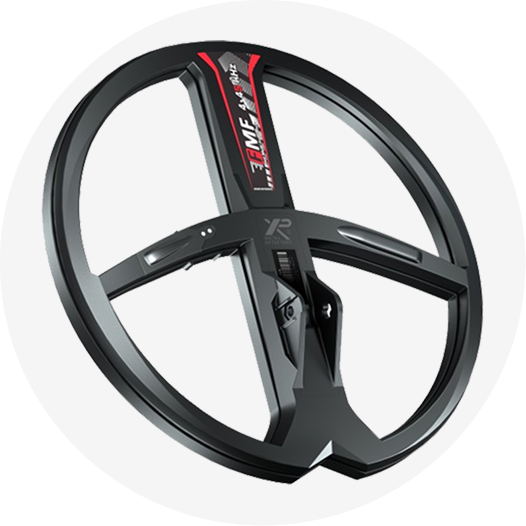
Search Coils:
Search coils are crucial for determining the range of a metal detector. They allow you to modify the metal detection device to differentiate between certain types of searches. Search coils come in a wide range of sizes and dimensions.
Metal detectors Exploring the World of Metal Detectors: Types, Applications, and Advancements
Metal detectors have come a long way since their inception in the early 20th century. Initially developed for military purposes, these devices have evolved into versatile tools used in a wide range of applications. From treasure hunting and archaeology to security screening and industrial processes, metal detectors play a pivotal role in modern society. In this comprehensive article, we’ll delve into the world of metal detectors, exploring their various types, applications, and recent advancements.
The Evolution of Metal Detector
The concept of a metal detector traces back to the early 20th century when scientists and engineers were working on improving existing technology. The idea was to develop a device capable of detecting hidden metal objects. The very first practical metal detector was invented by Alexander Graham Bell in 1881. Bell created this device to find a bullet lodged in the body of President James Garfield, who had been shot by an assassin. This early iteration was rudimentary compared to today’s metal detectors, but it marked the beginning of an exciting journey.
Types of Metal detector
Metal detectors come in various types, each designed for specific purposes. These types include:
- Beat Frequency Oscillation (BFO) Detectors: BFO detectors are one of the simplest and most affordable types. They work by comparing the phase and frequency of the oscillator’s signal when there’s a metal object nearby. These detectors are often used for beginners, but they lack the precision of more advanced models.
- Very Low-Frequency (VLF) Detectors: VLF detectors are more advanced and widely used by hobbyists. They work on the principle of two coils: one sends out electromagnetic waves, and the other receives them. When metal disrupts the waves, the detector signals a presence.
- Pulse Induction (PI) Detectors: Pulse induction detectors are known for their depth detection capabilities. They use short bursts of electricity to generate magnetic fields, and when a metal object is in proximity, the reflected pulse is detected. PI detectors are ideal for deep-seated targets and are commonly used in professional treasure hunting.
- Multi-Frequency Detectors: These detectors, often the most advanced, combine the capabilities of VLF and PI detectors. They can operate at various frequencies simultaneously, enhancing the range of detected metals and their discrimination abilities.
Applications of Metal Detector
Metal detectors have a broad range of applications, serving both personal and professional needs. Here are some of the most notable applications:
- Treasure Hunting: Perhaps one of the most popular hobbies involving metal detectors is treasure hunting. Enthusiasts use them to discover coins, relics, and other valuable items buried underground.
- Archaeology: In the world of archaeology, metal detectors are invaluable tools. They help archaeologists locate and unearth historical artifacts, adding to our understanding of past civilizations.
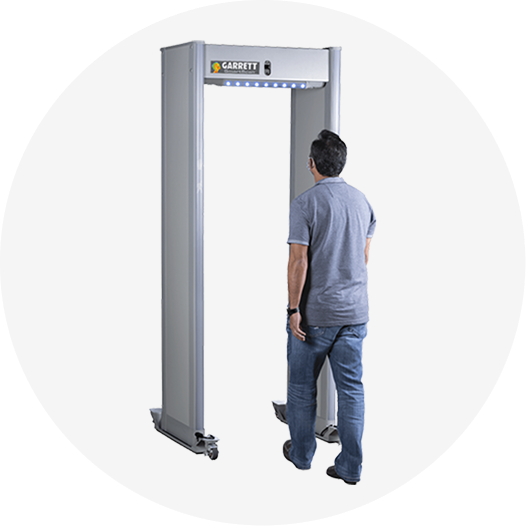
- Security Screening: Airports, government buildings, and public venues use metal detectors to enhance security. These detectors are designed to identify concealed weapons and ensure public safety.
- Industrial Use: Metal detectors are employed in various industries, including food processing and manufacturing, to detect metal contamination in products. This ensures product quality and safety.
- Construction and Utilities: In construction and utility work, metal detectors are used to locate buried pipes, cables, and other infrastructure to prevent accidents during excavation.
Recent Advancements and Technological Breakthroughs
Advancements in technology have significantly enhanced the capabilities of metal detectors in recent years. Some notable developments include:
- Improved Target Discrimination: Modern metal detectors can distinguish between different types of metals and filter out unwanted signals, reducing false alarms.
- Enhanced Sensitivity: New materials and design improvements have increased the sensitivity of detectors, allowing them to detect smaller and deeper targets.
- Wireless Connectivity: Many metal detectors now feature Bluetooth and Wi-Fi connectivity, allowing users to connect their devices to smartphones or tablets for more accessible data sharing and control.
- GPS Integration: GPS integration enables users to track and record their findings, making it easier to create maps of metal-detected areas.
- User-Friendly Interfaces: Manufacturers have made efforts to create more user-friendly interfaces, making metal detectors accessible to a broader audience.
Metal detectors have come a long way from their humble beginnings as rudimentary devices. Today, they serve a multitude of purposes and have evolved with technological advancements. Whether you’re an archaeologist, a treasure hunter, a security professional, or working in an industrial setting, metal detectors have proven their worth in a wide range of applications. With ongoing research and development, we can expect even more exciting innovations in the world of metal detection in the future, further expanding their capabilities and utility.
Certainly, let’s delve further into the world of metal detectors, discussing their historical significance, specific applications, and recent technological trends.
Historical Significance of Metal Detector:
Metal detectors have played crucial roles in various historical events and discoveries:
- Military Applications: One of the earliest uses of metal detector was during World War II, where they were employed to locate landmines and unexploded ordnance. These devices helped save countless lives by identifying hidden dangers.
- Archaeological Milestones: In 1974, British archaeologist Richard Leakey utilized a metal detector in the discovery of the Turkana Boy, a 1.5-million-year-old fossilized hominid skeleton. This highlighted the invaluable role metal detectors play in the world of paleontology and archaeology.
- Treasure Discoveries: Numerous significant treasure troves and artifacts have been uncovered by amateur treasure hunters using metal detector. These finds range from ancient coins and jewelry to historical relics and even lost family heirlooms.
Specific Applications of Metal Detector:
- Gold Prospecting: Many metal detectors are tailored to the unique properties of gold. Gold prospectors use detectors specifically designed to detect small gold flakes and nuggets, making them valuable tools for those seeking their fortunes in gold-rich areas.
- Beachcombing: Beachgoers often use metal detector to scan sandy shores for lost jewelry and coins. The corrosion-resistant properties of gold and silver make these detectors particularly effective for beachcombing.
- Underwater Metal Detection: Specialized underwater metal detectors are designed for scuba divers and treasure hunters seeking submerged treasures in shipwrecks and underwater archaeological sites.
- Relic Hunting: History enthusiasts use metal detector to locate relics from past wars and battles, such as Civil War-era artifacts in the United States or medieval relics in Europe.
- Cultural Heritage Protection: Metal detectorsare employed by heritage preservationists and archaeologists to protect historical sites from illegal looting and unauthorized metal detecting.
Recent Technological Trends:
- Digital Target ID: Many modern metal detector provide a digital target ID display, which helps users quickly identify the type of metal detected. This feature significantly enhances the efficiency of treasure hunting and archaeological work.
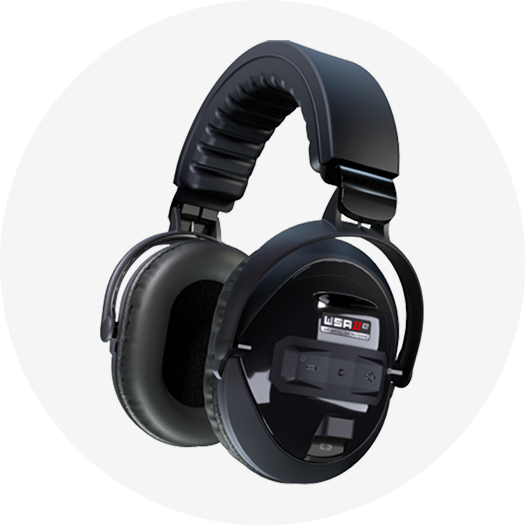
- Wireless Headphones: Wireless headphone compatibility has become a standard feature in many metal detector. This allows users to hear audio alerts without the hassle of cords, making the experience more comfortable.
- Smartphone Apps: Some detectors now offer smartphone app integration, enabling users to control and monitor their metal detector remotely. These apps also assist in GPS tracking and sharing findings on social media.
- Geo-Tagging: Geo-tagging features integrated into metal detectors allow users to mark the exact location of significant finds. This is especially valuable for archaeological purposes and to record historical data.
- Improved Battery Life: Recent advancements in battery technology have led to longer-lasting power sources for metal detectors, allowing users to stay in the field for extended periods without frequent recharging.
- Multi-Language Support: Many metal detectors offer multi-language support, making them accessible to a global audience of hobbyists, researchers, and professionals.
Conclusion
The world of metal detectors is a diverse and dynamic one, with devices that cater to a wide range of applications and users. From military uses and archaeological excavations to recreational treasure hunting, these tools have contributed significantly to our understanding of history and have uncovered countless valuable artifacts. With ongoing innovations, we can expect metal detectors to continue evolving, becoming more user-friendly and versatile, and facilitating new discoveries in the years to come.
Gold Detection Devices from the German Company GER Detect: The Best Manufacturer for Gold, Metal, and Buried Treasure Detectors
GER Detect, a German company, is one of the world’s leading companies in the development and production of gold and metal detection devices. Founded in 1998 in Germany, the company has since earned an exceptional reputation in the treasure and precious metal detection industry. GER Detect is distinguished by its commitment to providing the latest technologies and the best performance to help researchers and prospectors achieve remarkable success in their missions.
Advanced Technology:
GER Detect relies on advanced technology and continuous research and development to design and manufacture gold and metal detectors. This technology enables high accuracy in detecting targets and a fast response time. The features of their advanced technologies include:
- Accurate Target Identification: GER Detect devices can precisely identify a variety of metals, including gold, silver, copper, and other precious metals.
- Depth Detection: The devices can accurately determine the depth of the target, providing users with information about the treasure’s location underground.
- Durability and Quality Manufacturing: GER Detect products are manufactured to high-quality standards in Germany, making them reliable and robust in use.
Notable Products:
GER Detect offers a variety of exceptional products for gold and metal researchers and prospectors. Some of these products include:
Gold Hunter Smart:
- Search Systems: Operates with five different search systems.
- Manufacturer: GER Detect
- Country of Origin: Germany
- Maximum Search Depth: 45 meters
- Front Scan Range: 2500 meters
- Warranty: 5 years
- Applications: Detects gold, buried treasures, ancient artifacts, cavities, and tombs underground.
- Usability: Operates easily by selecting the appropriate language from four languages: English, Arabic, German, and French.
- Battery Life: Long-lasting battery for extended continuous operation.
Gold Hunter Smart New:
- Detection Capabilities: Equipped with four search systems for different metals, cavities, and diamonds.
- Technologies: Uses advanced two-dimensional imaging for precise target identification and depth determination.
- Range: Front range of 3000 square meters and a depth of up to 50 meters.
- Languages: Supports six languages, including German, English, French, Spanish, Italian, and Arabic.
River F Smart:
- Purpose: Specialized in detecting groundwater and artesian wells.
- Search Systems: Operates with three different search systems for fresh water, salt water, and depth determination.
- Range: Can detect water up to a depth of 500 meters and a front range of 3000 meters.
- Certifications: CE and ISO 9001 certifications, complying with international standards.
River G 3:
- Specialization: Designed for searching gold under rivers and groundwater.
- Search Systems: Three search systems, including 3D imaging, geological, and long-range detection.
- Technologies: Digital technology for precise depth and type determination of water.
- Languages: Supports six languages, including German, English, French, Spanish, Italian, and Arabic.
Uig Ground Scanner:
- Capabilities: 3D imaging gold detector for depths up to 30 meters.
- Search Systems: Three imaging systems for direct ground scanning, wall scanning, and 3D imaging.
- Features: High precision in target detection and depth determination with automatic calibration technology.
Commitment to Quality and Excellence:
GER Detect is dedicated to providing high-quality products and excellent customer service. The company continuously develops new technologies and improves its performance to meet the needs of researchers and prospectors worldwide. With its innovative and advanced product range, GER Detect remains at the forefront of gold and metal detection, contributing to the significant successes of researchers and prospectors.
A Legacy of Innovation:
Since its founding in 1998, GER Detect has combined the expertise of creative engineers who constantly work on developing new technologies to meet customer needs and enhance the treasure hunting experience.
Wide Applications:
GER Detect’s gold and metal detection devices are widely used in various fields, including mineral exploration, treasure hunting, and groundwater detection. Their devices are also employed in archaeological research and the discovery of caves and tunnels.
With advanced technology, continuous innovation, and high-quality products, GER Detect has established itself as a leader in the gold and metal detection industry, helping prospectors achieve extraordinary success in their quests.
OKM Devices: Trusted Across Various Fields
Gold Detection Devices from the German Manufacturer OKM
OKM German Manufacturer: Creator of the Best Gold and Metal Detection Devices
The German company OKM is one of the leading manufacturers of gold and metal detection devices worldwide. Established in 1989, the company has earned an excellent reputation in the metal detection technology industry.
OKM’s success is attributed to its strong commitment to quality and innovation. The company ensures the use of the latest technologies and high-quality materials in its production. It utilizes the latest scientific innovations and discoveries to develop its devices, combining high engineering standards with innovative design to deliver powerful and reliable devices.
Importance of OKM Devices
OKM devices are renowned for their superior performance and accuracy in metal detection. They employ advanced technologies such as quadrature frequency and electromagnetic sensing to enhance detection capabilities and differentiate between various metals. The company’s devices excel at detecting gold, silver, copper, and other metals with high precision, thanks to digital signal processing and advanced algorithms.
Due to their advanced technology and superior quality, OKM devices are trusted in various fields. They are used in gold and metal prospecting in mines and archaeological sites and in construction for detecting buried pipes, cables, and metal structures.
OKM is dedicated to providing tailored solutions to meet customer needs. The company offers a diverse range of devices suitable for both professional users and hobbyists. The devices feature user-friendly interfaces and ergonomic designs, making them suitable for all skill levels.
Notably, OKM invests significantly in research and development. The company continuously develops new technologies and enhances performance to meet changing customer requirements. It also offers excellent after-sales service, including technical support and training, to ensure customer satisfaction and optimal use of its products.
The German OKM manufacturer is among the leading companies in the production of gold and metal detection devices. Known for high quality, technological innovation, and superior performance, OKM products are a must-have for reliable and accurate detection needs.
History of OKM Devices
Founded in the early 1980s, OKM’s headquarters is in Germany. Since its inception, the company has focused on developing and manufacturing innovative and advanced detection devices. Over time, OKM has become an industry leader, expanding its product range to include various gold, metal, buried treasure, and cave detection devices.
Technologies and Products
OKM devices utilize various advanced technologies, including Pulse Induction (PI), Very Low Frequency (VLF), and 3D ground imaging. The German manufacturer offers a wide range of devices, including portable gold detectors, 3D ground detectors, and advanced devices for cave and void detection. Each device is designed to be practical, durable, and easy to use, making them suitable for beginners and professionals alike.
Innovation and Quality
OKM aims to deliver the latest technologies and innovations in the detection device industry. The company conducts extensive research and continuously develops new products to achieve maximum accuracy and optimal performance.
Quality is fundamental to OKM’s philosophy. All devices are manufactured in Germany according to the highest industrial standards and undergo rigorous inspection and testing to ensure quality and reliability.
Conclusion
OKM is a reference in the gold and metal detection device industry. With advanced technologies, continuous innovation, and high quality, the company has provided detection devices that meet the needs of gold and buried treasure prospectors worldwide. Thus, OKM demonstrates a genuine commitment to excellence in its field.
Tips on How to Find Raw Gold in Sand Using Gold Detectors
When searching for gold in sand, gold and metal detectors can be valuable tools to help you succeed.
Before you start using the device, here are some tips to help you achieve the best results:
1. Choose the Right Device
There is a variety of gold and metal detectors on the market. Choose a device that fits your needs and budget. Make sure the device you select is specifically designed for detecting raw gold in sand.
2. Learn How to Operate Gold Detectors
Before starting your search, learn how to use the device correctly and understand its readings and signals. Refer to the user manual and follow the provided instructions. You may also need to adjust the settings according to the environment and conditions you are searching in.
3. Search in Potential Areas
Head to areas known for their history of gold mining or historical presence of gold. These can include beaches, valleys, rivers, and previously mined areas. Conduct your search meticulously in these potential areas using the device.
4. Improve Control and Discrimination
Good control and the ability to discriminate between different metal signals are crucial. Practice identifying the signal pattern that indicates gold and learn the specifics of readings related to each type of metal.
5. Use Auxiliary Tools
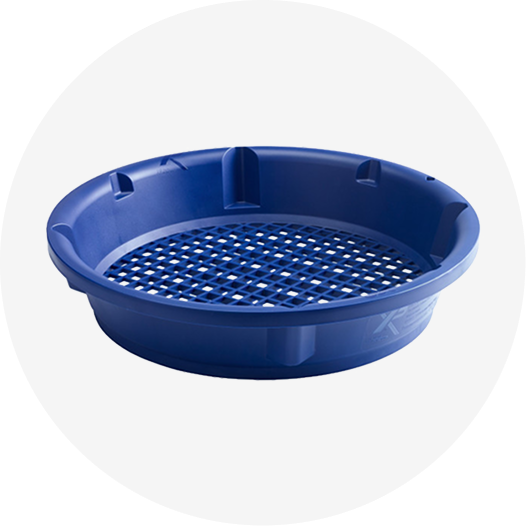
Additional tools can aid in the gold search process. You might need a magnet to extract small metal particles from the sand, or sieves to separate gold from other materials.
6. Continue Learning and Training
Your skills in using gold and metal detectors will improve with regular training and repeated experiences. Keep developing your skills and connect with professionals in the field to gain more tips and knowledge.
Using gold and metal detectors to search for gold in sand requires patience and continuous practice. It may take some time to achieve success, so enjoy the process and don’t give up easily.
Some of the Best Gold and Precious Metal Detectors
Garrett ACE Apex
The Garrett ACE Apex is a versatile metal detector and one of the latest additions to Garrett’s product line. It features advanced technologies and flexibility in use. Here are some details about the Garrett ACE Apex:
- Multi-Flex Technology: Multi-Flex is one of the standout features of the Garrett ACE Apex. This technology uses multiple frequencies to detect metals, allowing the device to adapt to various environments and terrains.
- Multiple Detection Modes: The Garrett ACE Apex offers multiple detection modes, including deep mode and regular mode. This allows you to enhance the detection capability for small and deep metals, as well as larger metals and general targets.
- Large LCD Screen: The Garrett ACE Apex features a large and easy-to-read LCD screen, clearly displaying important information and signals. The menus and settings are easy to navigate through this screen.
- Fast Exploration Mode: The device also features a Fast Exploration mode, which allows the user to focus on large targets and quick detection.
- Durability and Ease of Use: The Garrett ACE Apex is designed to be durable and lightweight, making it comfortable to use for extended periods. It is also easy to assemble and disassemble, making it portable and easy to transport.
For more practical demonstrations on metal and gold detectors, follow our social media channels and our YouTube channel.
It is worth noting that there may be updates and improvements in the technology of the Garrett ACE Apex over time, so you should refer to the official source for the latest information and specifications before purchasing. More tutorials can be found on our Instagram account and our TikTok platform.
You can get the best prices for metal and gold detectors by contacting us directly through our website on the Contact Us page.
Finding raw gold in sand can be a rewarding task, but it requires patience and knowledge of the right tools and techniques. Here are some tips to help you successfully use gold detectors:
1. Choosing the Right Gold Detector
- Performance and Sensitivity: Choose a detector with high sensitivity to small metallic objects, as raw gold often comes in small pieces.
- Frequency: Low-frequency detectors are better for deep searches, while high frequencies are better for detecting small pieces.
2. Understanding Terrain and Environment
- Geological Areas: Look for areas known for gold deposits, such as near rivers and mountains with volcanic rocks.
- Sandy Deposits: Sand gathered at riverbeds and accumulated sandy areas can be rich in gold.
3. Proper Device Setup
- Ground Balance: Ensure the detector is set correctly for sandy soil, as other minerals in the ground can cause signal interference.
- Sensitivity: Adjust sensitivity to match the soil and location to avoid false signals.
4. Using Appropriate Search Techniques
- Slow and Patient Search: Move slowly and systematically to cover as much area as possible.
- Grid Pattern: Use a grid search pattern to ensure no part of the area is missed.
5. Analyzing Signals
- Signal Differentiation: Learn how to distinguish real gold signals from false ones caused by other metals.
- Testing Pieces: When you find a signal, use a small tool to dig and test the piece before continuing your search.
6. Cleaning and Separating
- Using Sieves: After finding materials, use sieves to separate gold from sand.
- Washing Materials: Use a panning tray to clean and separate gold from other materials.
7. Maintaining Safety
- Personal Protection: Wear protective clothing, gloves, and suitable shoes to protect yourself while digging and searching.
- Supervision and Permits: Ensure you have the necessary permits to search in the designated areas and comply with local laws.
By following these tips and using your gold detector correctly, you can increase your chances of successfully finding raw gold in sand. Good luck with your search!
Groundwater Detection Devices | Best Groundwater Detection Device
When it comes to searching for groundwater sources, a groundwater detection device plays a vital role in the success of the project. This device is a modern and effective tool in identifying and determining underground water sources, providing accurate information that helps make crucial decisions in fields such as agriculture, civil engineering, and construction. Groundwater detection devices operate on the principle of sensing electromagnetic waves or sound waves to identify and survey potential groundwater beneath the surface.
Characteristics of Groundwater Detection Devices
Groundwater detection devices work based on changes in the physical properties of soil, rocks, and water, helping to determine the locations, depth, and quantity of groundwater. There are many types of groundwater detection devices, varying in design and the technologies used. Some devices may include technologies such as ground-penetrating radar, electromagnetic sensing, geological imaging, and sound waves, while others use chemical analysis and magnetism sensing.
Benefits and Applications
A groundwater detection device is a powerful tool for civil engineers, agriculturists, and water explorers. It provides specific and detailed information about the location and characteristics of water, aiding in the determination of the best drilling and well sites, saving time, effort, and resources. Additionally, using a groundwater detection device reduces the likelihood of random drilling and high costs.
However, it is important to note that a groundwater detection device helps identify and determine potential groundwater locations, but it cannot provide detailed information about water quality or its suitability for drinking. Additional tests and analyses may be required to determine the water quality and its suitability for various uses.
In summary, a groundwater detection device is a powerful tool that helps identify and determine underground water sources. This device is an effective solution for groundwater explorers, civil engineers, and agriculturists. However, it should be used carefully, and the extracted results should be understood to achieve the best outcomes and successfully achieve project goals.
River F Smart Groundwater Detection Device
Groundwater sources are crucial for many sectors such as agriculture, industry, and sustainable development. However, identifying and locating groundwater sources can be a challenging and complex task. This is where the importance of the River F Smart groundwater detection device from Detectors Shop comes in. The River F Smart groundwater detection device is considered one of the latest and most advanced devices in the field of identifying and discovering groundwater sources. This device features modern and advanced technologies, making it a powerful and effective tool for explorers, civil engineers, and agriculturists.
Advanced Technologies
The River F Smart device uses advanced ground-penetrating radar technology, which relies on sending radar signals to the ground and measuring the returned signals to detect changes in the soil, rocks, and the presence of groundwater. This system provides accurate information about water depth, soil type, and rock composition, helping to efficiently identify areas where groundwater may be available. The River F Smart device is designed to be compact and lightweight, making it easy to use and transport in different fields and locations.
User-Friendly Design
The device features a high-resolution display that clearly shows data and is controlled by an easy-to-use interface. It operates on a rechargeable battery, ensuring continuous operation for long periods without the need to change batteries. With its ability to analyze data and provide real-time results, the River F Smart device offers a smooth and efficient user experience. Users can customize settings and parameters according to their needs and preferences, allowing them to achieve the best results in groundwater detection operations.
Comprehensive Solution
The River F Smart device from Detectors Shop is an integrated and effective solution for identifying and discovering groundwater sources. It helps save time, effort, and resources in water search operations and improves the accuracy and efficiency of planning and development processes. In conclusion, the River F Smart groundwater detection device from Detectors Shop is an excellent choice for individuals and institutions searching for groundwater. It combines advanced technologies and practical design to provide exceptional performance and accurate results. Using this device, users can achieve a balance between efficiency, economy, and sustainability in exploring and utilizing groundwater.
For more details and inquiries about groundwater detection devices, please contact us through our social media platforms or reach out directly.
Groundwater Detectors : Essential for Agriculture and Environment
In today’s era, groundwater detection devices have become an essential necessity.
Importance of Groundwater Detection Devices
Thanks to this advanced technology, farmers, investors, and researchers can efficiently and accurately identify and discover groundwater sources. Groundwater detection devices are powerful tools for exploring and identifying locations of water beneath the earth’s surface.
These devices rely on various technologies and systems to analyze data and create 3D images of water tunnels, wells, and groundwater pathways. This precise approach allows users to direct their efforts and resources towards efficient water extraction and maximizing the utilization of limited water resources. One of the key technologies used in groundwater detection devices is the geological sensing system, which measures changes in the density and geological composition of soil and rocks underground.
How Groundwater Detection Devices Work
The device sends electromagnetic or vibrational signals to the ground and then analyzes the returning signals to determine the presence of water and its characteristics such as depth, concentration, and quality. This technology provides a detailed image of the underground geological environment and helps accurately identify water extraction locations. Additionally, groundwater detection devices rely on remote sensing systems and 3D imaging to provide comprehensive images of underground water.
These systems analyze the terrain and topographic shapes of the area and identify potential groundwater flow paths. Users can view data on high-resolution touch screens and analyze 3D images to make informed decisions regarding the use of water resources. Groundwater detection devices are powerful tools for conserving water resources and promoting sustainability in agriculture, industry, and other environmental fields.
They help identify groundwater sources and plan for their conservation and efficient utilization. These modern technologies play a crucial role in helping countries and communities face challenges related to water scarcity, climate change, and increased demand for water resources. In summary, groundwater detection devices are vital tools for exploring and identifying underground water sources.
They rely on advanced technologies such as geological sensing, remote sensing, and 3D imaging to provide accurate and comprehensive information about water resources.
By using these devices, we can achieve better and more efficient use of water and preserve this vital resource for future generations.
River G3 Groundwater Detection Device
The “River G3” groundwater detection device is one of the distinguished products offered by Detectors Shop in the field of groundwater detection. This device is a modern and unique technology in the world of groundwater detection, providing high performance and accuracy in identifying and exploring underground water sources. The River G3 device operates with three different exploration systems, allowing users to obtain comprehensive and detailed information about groundwater, artesian wells, and underground springs. The three systems are:
- 3D Imaging Search System:
Allows users to see 3D images of underground water layers and also displays the analysis results of the discovered water. - Geological Search System:
Provides detailed information about underground water, including depth, density, salinity, and type. - Long-Range Detection System:
Works to identify water locations within wide areas and displays results on a high-resolution touch screen.
The River G3 device is fully digital and uses modern technology, enhancing its accuracy in determining the depth, density, and type of water, whether fresh, natural, or saline. The device covers a front range of up to 3000 square meters and a depth of up to 1500 meters underground, making it suitable for various groundwater search applications.
Detectors Shop is one of the leading companies in manufacturing groundwater detection devices, offering high-quality products and advanced technologies to help users efficiently and easily discover and explore groundwater.
It is important to note that using a groundwater detection device like the River G3 requires a good understanding of sensing techniques and correct interpretation of results. Training and consulting professional experts may be necessary to achieve the best results and ensure proper use of the device.
About Detectors Shop
Detectors Shop is a well-known company in the field of providing groundwater detection devices and related tools. The company offers a wide range of high-quality devices and advanced technologies for discovering and exploring groundwater sources underground.
Detectors Shop distinguishes itself by offering various devices that meet the needs of many sectors, including agriculture, construction, geological exploration, and scientific research. The products provided by the company include different types of groundwater detection devices such as geological sensors, magnetic resonance devices, and 3D remote sensing devices.
Groundwater detection devices from Detectors Shop are characterized by reliability and accuracy in results, helping users accurately determine groundwater locations and direct their efforts effectively. These devices are also easy to use, making them accessible to many individuals without requiring specialized technical skills.
For more information about groundwater detection device prices, please contact us through our various platforms.
In addition to providing devices, Detectors Shop offers important after-sales services such as technical support, device usage training, and maintenance. The company strives for continuous innovation alongside our partners and developing its products to meet market and customer needs.
Overall, Detectors Shop is one of the prestigious companies in the field, offering high-quality products and advanced technologies to help customers efficiently and accurately discover and explore groundwater.
Choosing a raw gold detector starts with the target you want to find. Are you searching for small natural gold nuggets in the soil, or comparing equipment with several search systems for broader exploration? Target size, ground conditions, search method and operating experience all influence the choice.
This guide compares six models offered by Detectors Shop: Deus Gold, Gold Monster 1000, Gold Monster 2000, Titan X13, Titan 500 Smart and Gold Hunter Smart. It explains their different roles so you can choose equipment that suits your fieldwork.
For a broader overview, visit our gold detectors guide. You can also browse our raw gold detector category.
What Is Raw Gold, and What Can a Detector Find?
Raw gold is naturally occurring gold before refining or manufacturing. It may occur as nuggets, small pieces or gold within rock. A handheld metal detector searches for metal targets that produce a detectable response under the conditions at the site.
A gold-bearing rock does not always produce a detectable signal. The amount and distribution of gold, target size, depth and surrounding minerals affect the response. Finding a detectable piece is different from measuring the gold content of a rock or assessing a deposit.
Natural Gold Nuggets and Buried Gold
Nugget prospecting places particular importance on sensitivity to small targets and stability in mineralised soil. Buried jewellery or larger metal targets may require a different setup. A metal detector can respond to both natural and manufactured gold, but its suitability depends on the equipment and search conditions.
How Do Raw Gold Detection Technologies Differ?
Direct Searching with a Coil
With a coil-based detector, the operator sweeps the ground and checks metal responses directly beneath the coil. This requires systematic coverage, stable settings and repeat checks of promising signals. Deus Gold and both Gold Monster models belong to this group.
VLF and Fast Multi-Frequency Technology
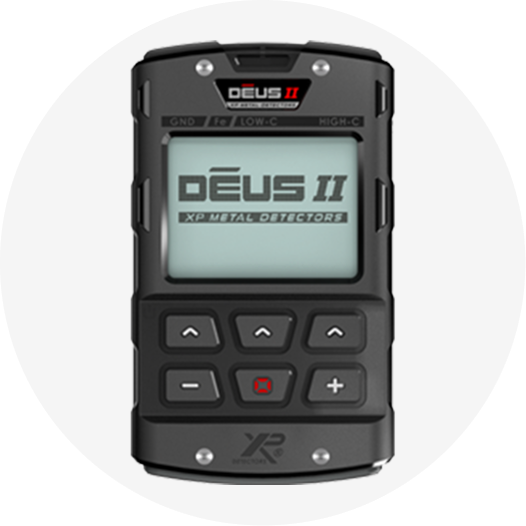
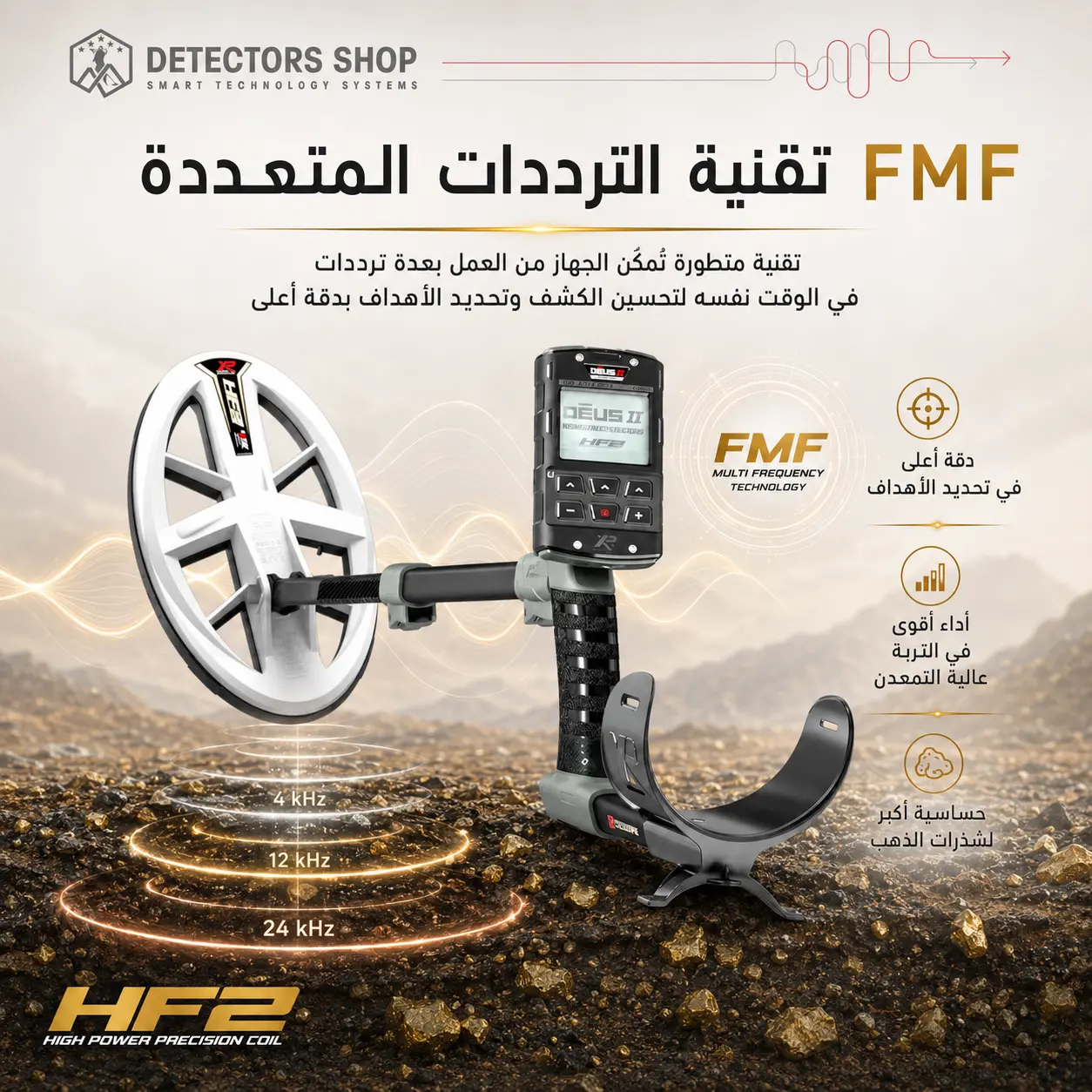
The Gold Monster 1000 uses 45 kHz VLF technology. Deus Gold combines the DEUS II platform with the HF2 coil, supporting FMF and mono-frequency operation. These approaches offer different ways to adapt to targets and soil; frequency alone does not determine performance.
Pulse Induction and Multi-Au
Titan X13 includes pulse induction among its advertised systems. Minelab describes the Gold Monster 2000’s Multi-Au as a hybrid technology combining VLF sensitivity with a pulse induction soil-handling engine. Understanding the actual system is more useful than grouping every detector under one label.
Long-Range Search Systems
Titan 500 Smart and Gold Hunter Smart are marketed by GER Detect as long-range systems. Their antenna-based operation differs from sweeping a coil over a nugget. Advertised range or depth figures do not establish the depth at which a small nugget can be detected, and manufacturer specifications are not independent field-test results.
Raw Gold Detectors at Detectors Shop
Start by comparing dedicated coil-based options for nuggets. Then consider the other systems if their functions match your wider search requirements.
1. Deus Gold with the White XP HF2 Coil
Deus Gold refers here to our XP DEUS II configuration with the white elliptical HF2 coil. XP specifies FMF operation from 9 to 90 kHz and mono-frequency operation from 9 to 120 kHz for this DEUS II-compatible coil.
Consider this setup if you want direct nugget searching with adjustable programs and frequencies. Its elliptical shape helps with coil placement around rocks and confined spaces. Learning ground balance and choosing stable sensitivity remain essential parts of using it.
- FMF and mono-frequency options.
- An elliptical coil for manoeuvring around obstacles.
- Adjustable settings for users willing to learn their setup.
Read our Deus Gold user guide and HF2 settings for operating guidance.
View Deus Gold product details, current price and package contents.
Product demonstration: This video is also included in our Arabic guide and may contain Arabic narration. Any shown result applies to the filmed test conditions.
2. Gold Monster 1000: Automatic Nugget Prospecting
The Gold Monster 1000 is a dedicated Minelab gold prospecting detector using 45 kHz VLF operation and 24-bit signal processing. Automatic ground balance and noise cancellation reduce setup steps, while sensitivity can be automatic or manual.
It is an option for prospectors who want a relatively simple interface for direct coil searching. Its Gold Chance Indicator helps assess a response, but cannot confirm that an unrecovered target is gold.
- Gold-focused VLF operation.
- Automatic functions with manual sensitivity adjustment.
- Audio responses for checking targets during a sweep.
Minelab lists the coil as waterproof to one metre and the detector as splash/rain proof. A waterproof coil does not make the control unit suitable for submersion.

View Gold Monster 1000 product details, current price and package contents.
3. Gold Monster 2000: Multi-Au for Mineralised Ground
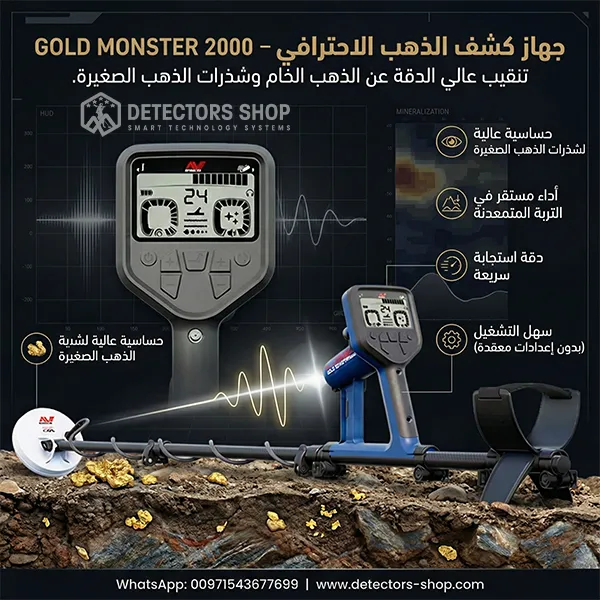
The Gold Monster 2000 uses Minelab’s Multi-Au hybrid technology for fine-gold prospecting in mineralised ground. The manufacturer describes it as combining VLF sensitivity with a pulse induction soil-handling engine.
Features include Echo Wave Audio, a Gold Chance Indicator, target identification and automatic ground tracking with Quick-Trak. These help the operator assess signals and ground conditions, while target recovery remains necessary to identify a find.
Consider it when comparing dedicated nugget detectors for challenging ground. Read our Gold Monster 2000 review and settings guide for more detail.
View Gold Monster 2000 product details, current price and package contents.
4. Titan X13: Multiple Search Systems
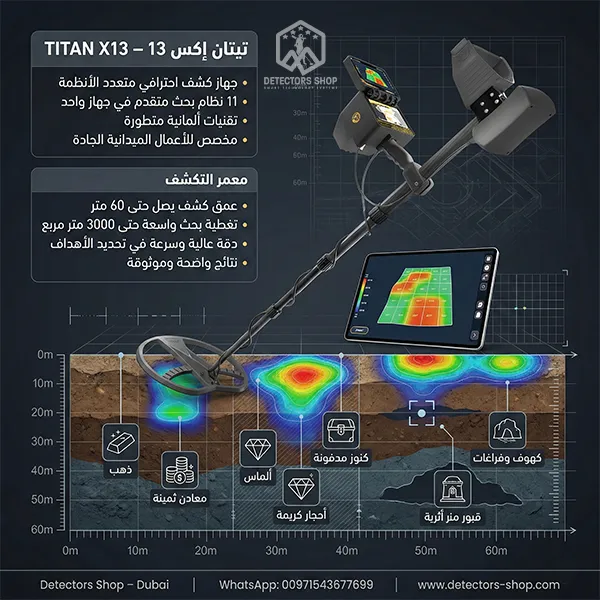
GER Detect presents Titan X13 as an 11-system detector with functions including pulse induction, EMF and 3D imaging. The important purchasing question is which system and accessories you will use for your particular target.
Its pulse induction function provides a basis for considering direct metal searching, but sensitivity to fine nuggets should be assessed using the intended coil and settings. A depth figure advertised for the complete system should not be treated as the detection depth of a small piece of gold.
Consider Titan X13 if you need equipment for several tasks. Ask for a demonstration of the specific search system you expect to use, with targets comparable to yours.
View Titan X13 product details, current price and package contents.
5. Titan 500 Smart: Long-Range Search Functions
Titan 500 Smart is marketed by GER Detect for long-range searching for gold, metals, diamonds and gemstones. The manufacturer includes raw gold among its stated targets and provides search settings for different tasks.
Its operation differs from direct coil-based nugget searching. Evaluate the system according to the function you intend to use and request a relevant practical demonstration before selecting it for small natural gold targets.
Our Titan 500 Smart review and field guide explains the equipment and operating approach.
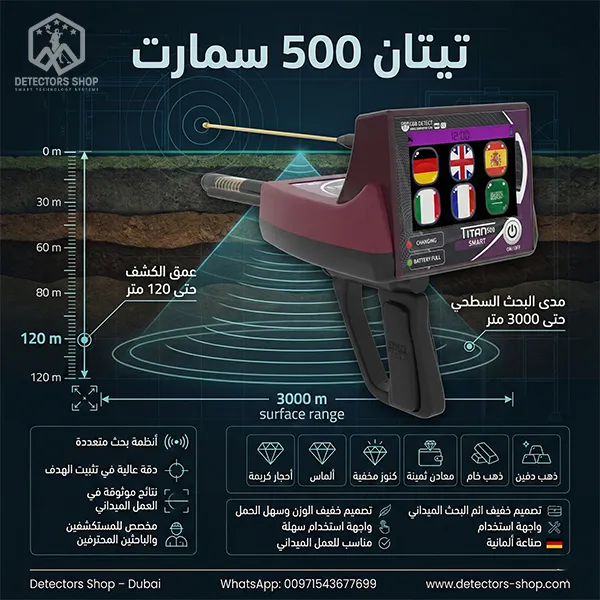
View Titan 500 Smart product details, current price and package contents.
Product demonstration: This video is also included in our Arabic guide and may contain Arabic narration. Any shown result applies to the filmed test conditions.
6. Gold Hunter Smart: Long-Range Search and Analysis
GER Detect describes Gold Hunter Smart as a long-range device with four search systems, including metal, diamond and void searching, plus a 2D analysis function. Raw gold is among the manufacturer’s stated targets.
Consider it when comparing equipment with several target-selection and analysis functions. Its antenna-based searching differs from detecting a nugget beneath a search coil, and a 2D display should not be interpreted as a photograph of underground gold.
If small nuggets are your main objective, assess that use through a suitable demonstration before purchase. Confirm the supplied accessories and learn how results should be interpreted.
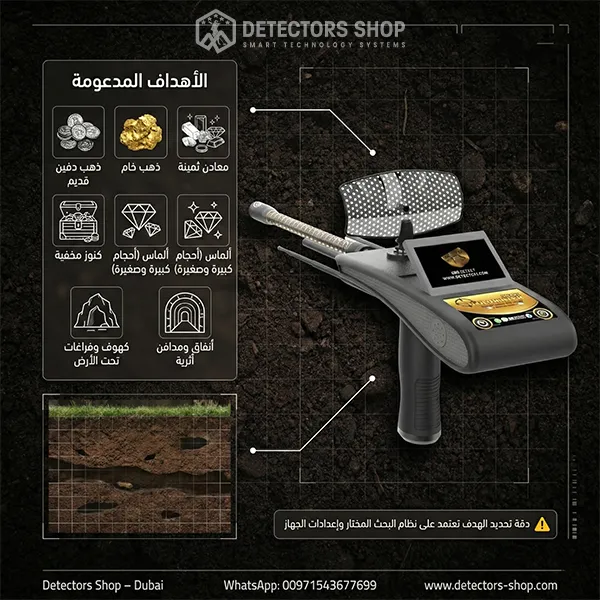
View Gold Hunter Smart product details, current price and package contents.
Raw Gold Detector Comparison Table
This table compares technologies and use cases. It is not a ranking based on identical field tests. Define your target size and ground conditions before selecting a detector, coil or search system.
| Detector | Technology / method | When to consider it | What to verify |
|---|---|---|---|
| Deus Gold + HF2 | Direct coil; FMF and mono-frequency | Small targets with adjustable settings | Ground settings, program and coil configuration |
| Gold Monster 1000 | Direct coil; 45 kHz VLF | Gold prospecting with automatic setup functions | Package contents and stable sensitivity in your soil |
| Gold Monster 2000 | Direct coil; Multi-Au hybrid | Fine-gold prospecting in mineralised ground | Ground response and hot-rock handling |
| Titan X13 | 11-system platform, including PI | Several search tasks involving different systems | The selected system and sensitivity to your target |
| Titan 500 Smart | Long-range searching | Comparing long-range exploration functions | A relevant field demonstration and operating method |
| Gold Hunter Smart | Long-range device with four systems | Multiple target types and analysis functions | Result interpretation and suitability for your task |
Which Detector Should You Choose?
- For direct nugget searching: start with Deus Gold, Gold Monster 1000 and Gold Monster 2000.
- For adjustable programs and frequencies: study Deus Gold with HF2 and learn its ground settings.
- For fewer setup steps: compare the automatic functions of the Gold Monster models.
- For several search tasks: assess Titan X13 system by system.
- For long-range functions: understand Titan 500 Smart and Gold Hunter Smart, then request a demonstration relevant to your target.
A higher price or more systems does not automatically mean greater sensitivity to small nuggets. Choose according to your main task.
How to Use a Coil-Based Raw Gold Detector
These steps apply to direct coil searching. For antenna-based or multi-system equipment, follow the manual for the selected system.
- Prepare the equipment: charge the battery, secure the coil and adjust the shaft for comfortable sweeping.
- Select the program: use the gold search mode recommended in your model’s manual.
- Manage ground and interference: perform ground balance and noise cancellation as instructed.
- Choose stable sensitivity: reduce excessive noise instead of always using the maximum setting.
- Overlap your sweeps: keep the coil close and parallel to the surface, using an appropriate sweep speed.
- Recheck responses: confirm repeatability and locate the signal from more than one direction.
- Recover and inspect: check the recovered target, then rescan the hole and removed soil.
What Affects Gold Nugget Detection Depth?
There is no single depth for every nugget or location. Target size, shape, orientation and depth interact with mineralisation, interference, coil design, settings and sweep technique.
Ask for a test using targets and soil comparable to your search conditions, with the coil and settings clearly identified. An air test helps you learn a response, but does not reproduce buried-target performance.
Common Prospecting Mistakes
- Choosing equipment using advertised depth alone.
- Increasing sensitivity until ground noise obscures useful signals.
- Lifting the coil at the end of a sweep or leaving gaps between passes.
- Ignoring a repeatable weak signal.
- Treating a gold indicator or target number as confirmed metal identification.
- Keeping the same settings after ground conditions change.
Raw Gold Detector Prices and Buying Advice
Cost depends on the model, coil, accessories and supplied package. Use the product links above to check current prices, and read our metal detector price guide for Dubai and the UAE for additional buying context.
Contact Detectors Shop to discuss target size, soil, budget and operating guidance. Confirm package contents, warranty terms, available training and delivery arrangements for your order.
Raw Gold Detector FAQs
What is the best raw gold detector for small nuggets?
The choice depends on nugget size, soil and experience. Compare Deus Gold with HF2, Gold Monster 1000 and Gold Monster 2000 for direct coil searching, and assess them under conditions similar to your site.
Is Deus Gold different from DEUS II?
Deus Gold in this guide means the DEUS II configuration supplied with the white XP HF2 coil. It describes the prospecting setup, rather than a separate detector platform.
How do Gold Monster 1000 and 2000 differ?
The 1000 uses 45 kHz VLF technology. The 2000 uses Multi-Au hybrid technology and adds features including Echo Wave Audio and target identification. Both search directly with a coil.
Do all six detectors operate the same way?
No. Deus Gold and the Gold Monster models are coil-based detectors. Titan X13 combines several systems, while Titan 500 Smart and Gold Hunter Smart use long-range search methods.
Can a detector identify only gold?
Discrimination and target indicators help assess signals, but different metals can produce similar responses. Recovering and inspecting the target is necessary to establish what it is.
Does a higher frequency always mean more depth?
No. Frequency interacts with target size, ground conditions and detector design. Coil choice, ground balance, sensitivity and sweep technique also influence the response.
Need help choosing a gold prospecting detector?
Tell us your expected target size, soil conditions, country of use and budget so we can help you compare suitable equipment.
Technical References
The technology descriptions refer to manufacturer information. GER Detect system descriptions reflect the manufacturer’s claims rather than independent performance tests.
