










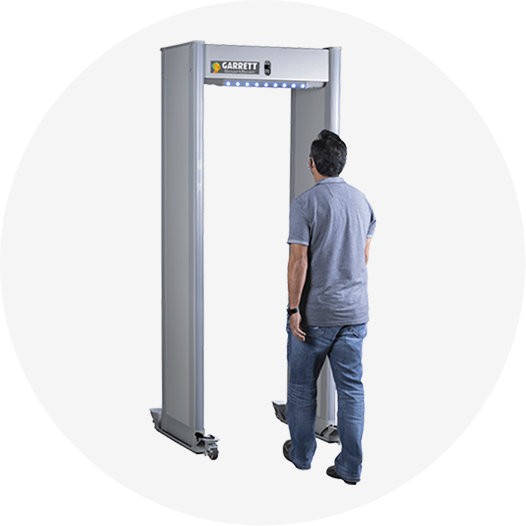
Target Type
- Raw gold and gold nuggets
- Buried gold and caches
- Coins and jewelry
- Treasure and large targets
- Voids and caves
- Multiple target types

Detectors Shop — Gold Detectors
Choosing the right gold detector depends on the target you are searching for, the ground conditions, expected depth, and the detection technology used by the device. Gold detectors range from systems designed for raw gold to detectors for metals, coins, and deeper buried targets.
At Detectors Shop, we provide original gold detectors from specialized manufacturers, with options for beginners and professionals. We also provide guidance, training, and technical support to help you choose the right detector for your search requirements.
A gold detector is an electronic device that uses different detection technologies to locate gold, metals, and other underground targets. Gold detectors vary by technology, target size, soil conditions, depth, and intended use. You can also explore our metal detectors and professional detection systems.
Choosing the right gold detector depends on your target, ground conditions, expected depth, and experience level. Compare these factors before choosing a model.
Ground conditions affect gold detector performance, whether you are searching in sand, rocky terrain, highly mineralized soil, or on beaches. The detector should be selected for the actual search environment, not by name alone.
Detecting a small gold nugget is different from locating a large buried target. Target size and expected depth play a major role in choosing the right technology and search method.
Some detectors are simple and field-oriented, while others include multiple advanced systems for experienced users who need more detailed target analysis.
Instead of looking for one universal best gold detector, choose the detector that best matches the type of search you plan to perform.
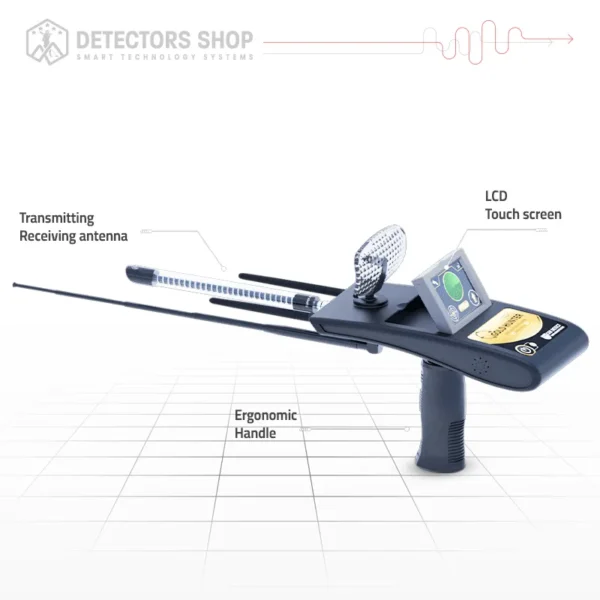
Gold Hunter Smart
Suitable for prospectors searching wide areas for gold, metals, and buried targets.
View Detector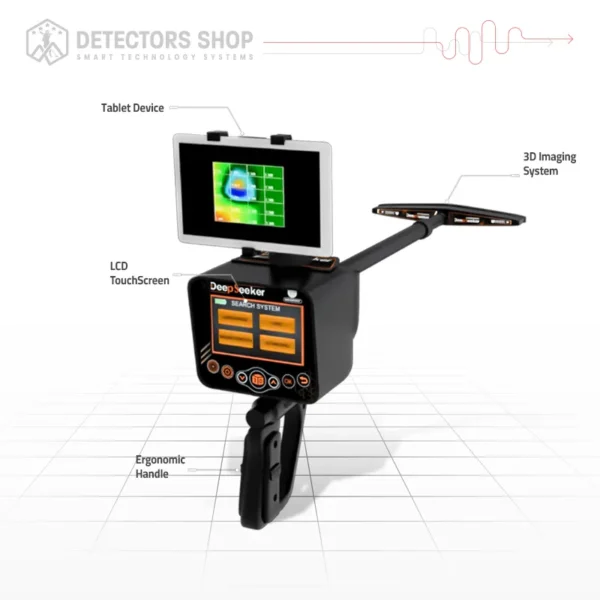
Deep Seeker
A multi-system detector for professional searches for buried gold, treasure, voids, caves, and other underground targets.
View Detector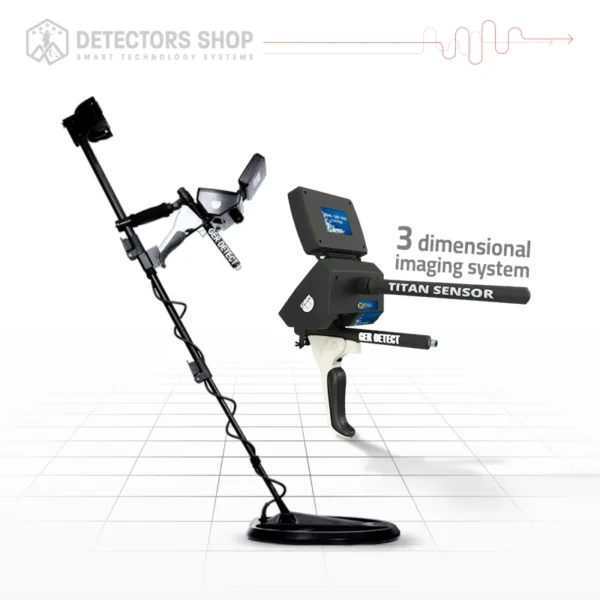
Titan Ger 1000
An integrated search station for professionals who need multiple technologies to detect and analyze underground targets.
View Detector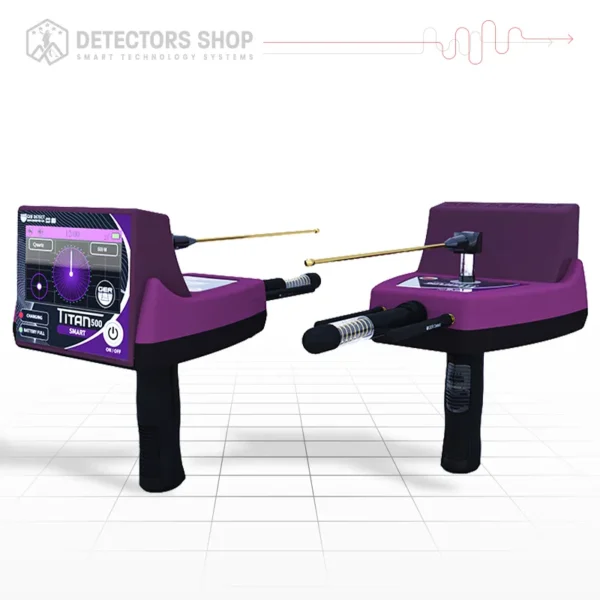
Titan 500 Smart
A professional multi-system detector designed for searching for gold, metals, buried targets, and underground structures.
View Detector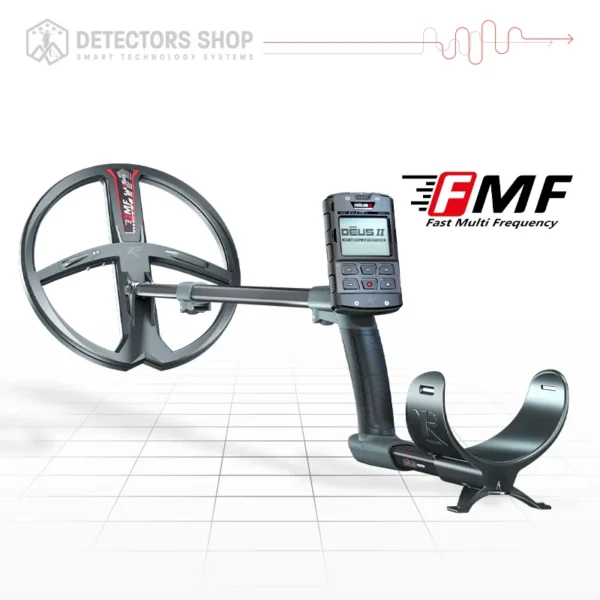
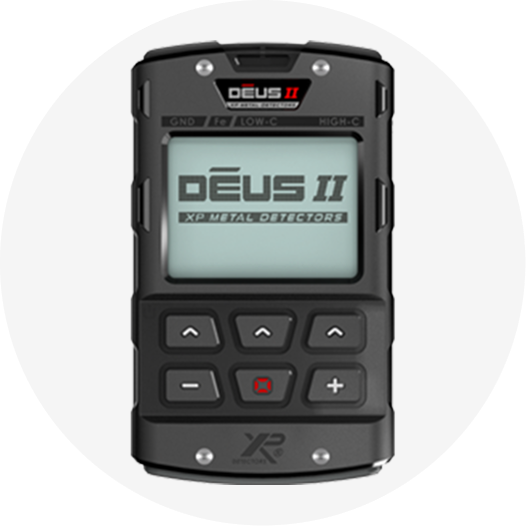
XP Deus 2
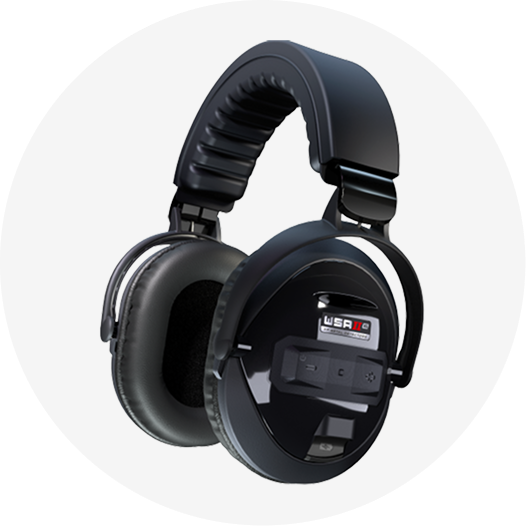
A versatile detector for coins, metals, and small targets on land and beaches, with wireless operation and multiple search programs.
View Detector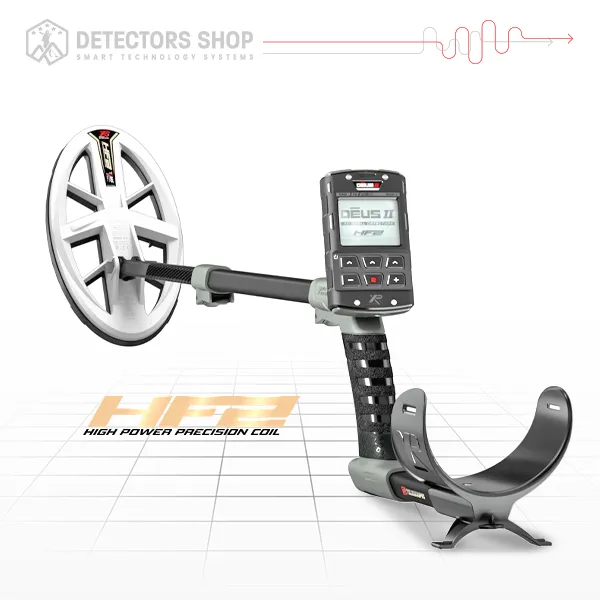
Deus Gold
A specialized option for raw gold and gold nuggets, especially when high sensitivity to small targets is important in the field.
View DetectorSmall natural gold nuggets require high sensitivity and stable performance in mineralized ground. When choosing a raw gold detector, focus on how the detector performs in real field conditions rather than relying on a general marketing description.
Searching for buried gold and larger deep targets requires different technologies than searching for small nuggets or shallow coins. Target size, approximate depth, and the size of the search area become key comparison factors.
Expected target size
Approximate depth
Search area size
Ground conditions
Detection technology
Ability to locate the target and reduce unwanted signals
For advanced searches, using more than one technology to verify the same location can be more useful than relying on a single signal.
There is no single detection-depth number that applies to every situation.
Detection depth changes according to several connected factors, so one depth figure cannot be used to compare every detector in every search environment.
When comparing two gold detectors, do not rely on depth claims alone.
Gold detector prices vary because different models use different technologies and are designed for different search applications.
Detection technology
Number of search systems
Manufacturer
Included accessories
Detector level: hobby or professional
Warranty, training, and support
Less Useful Question
What is the cheapest gold detector?
Better Question
Which gold detectors suit my needs, and how do they differ in price and capabilities?
If you are looking for gold detectors in Dubai or the UAE, compare models by target type, detection technology, ground conditions, and budget. Detectors Shop also provides pre-purchase guidance to help you choose a detector that fits your intended use.
Guidance for choosing a detector
Original detectors
Usage guidance and training
After-sales technical support
Shipping to many countries
We help you compare detectors based on your target and intended use instead of choosing by advertising claims or price alone.
Learning the correct operation and settings helps you get better results from your detector.
Our team is available when you need help with operation or practical use.
We provide multiple options for different experience levels and budgets.
What do you want to search for?
In which country and ground conditions will you use the detector?
Do you have previous experience with metal detectors?
What is your approximate budget?
Based on these details, our team can narrow the options and help you compare the gold detectors most suitable for your needs.
The best gold detector is the one whose technology matches your target, ground conditions, and intended use. No single detector is best for every searcher or every search situation.
Yes. Some detectors and technologies are designed specifically for natural gold and gold nuggets, but performance depends on nugget size and ground conditions.
Detection depth is not a fixed number. It varies with target size, metal type, soil conditions, detector technology, and how the detector is used.
Some detectors include multiple systems or search modes, but a multi-purpose detector is not necessarily the best choice for every specialty. Define your main target before choosing.
Prices vary by detector, technology, capabilities, and manufacturer. For current pricing, contact our sales team and tell us which detector or search application you need.
It depends on the detector. Some models are easy to use, while advanced systems require a better understanding of settings and result interpretation, which is why training can be valuable before field use.
