









Price of a Gold Detector and How to Choose the Right Device Are you looking to find gold on your next adventure? First, you need to get the best gold and metal detector.
A high-quality gold and metal detector can do this with ease. While there is no shortage of gold and metal detectors on the market, not every device can accurately detect precious metals.
No matter what type of gold, metals, or even jewelry you are searching for, you’ll need a gold and metal detector that is finely tuned to work with the unique properties of gold.
In this article, we will review some of the best gold and metal detectors you can purchase from Detectors Shop.
Best Gold and Metal Detectors
To check the price of a gold detector, click on the link.
- Evolution NTX Metal Detector
- SDC 2300 Gold and Metal Detector
- IMPACT PRO Gold and Metal Detector
- Equinox Pro Gold and Metal Detector
- Titan Smart 400 Gold and Metal Detector
Price of a Gold Detector in Saudi Arabia
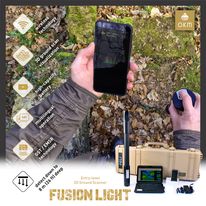
Gold and metal detectors and ground scanners can be used by treasure hunters, gold prospectors, and archaeologists who search for buried objects, hidden artifacts, or other lost items. The Evolution NTX is a gold and precious metal detector that works with an imaging system capable of detecting all types of precious metals underground or in any desired location up to a depth of 10 meters. The device has achieved great success and distinction among all those interested in regularly and continuously prospecting for precious metals and treasures. The Evolution NTX is designed with a modern look and contains many features, including a high-quality, high-resolution touch screen with enhanced scanning and imaging capabilities. It is a powerful metal detector that can be used in various ways and for multiple purposes, all at a reasonable price for its features. For more details, follow our YouTube channel.
Price of the SDC 2300 Gold Detector
The SDC 2300 is a gold and metal detector designed to operate at high performance and efficiency for medium-range depths up to 3 meters underground. It is the best choice for prospecting for gold, especially small gold nuggets.
This is the best option for searching and prospecting for small, lightweight gold pieces that are difficult to find. The device can search for gold both underwater and on land. The SDC 2300 metal detector is waterproof, equipped with easy-to-use control elements, and requires no assembly. It is a practical, compact device available at an affordable price, capable of detecting the smallest and lightest gold particles using pulse induction technology, which is highly effective for detecting all types of metals at great depths.
Price of the IMPACT PRO Gold Detector
The IMPACT PRO gold and metal detector is one of the first of its kind, featuring multiple search frequencies. It comes with several modes specifically designed for searching in various conditions to locate different types of targets, whether treasures, coins, or even metals, across various terrains, including rocky areas or agricultural zones. You can also prospect in marine areas, whether on a river, beach, or even the sea!
The IMPACT PRO has all the features that make it one of the best and most reliable devices used for searching and prospecting for different types of metals, treasures, and gold of all sizes and weights! All these features are in one device at the best price and with the latest technology, suitable for both beginners and professionals. The device has a modern, sleek design, is lightweight, easy to assemble and disassemble, and allows for adjustment of settings and selection of search modes. It features three different frequencies and many other features.
Price of the EQUINOX 800 Gold Detector
The EQUINOX is known as a metal, gold, and treasure detector operating on single high frequencies of either 20 or 40 kHz, capable of finding the smallest gold particles in mineral-rich environments. The device is waterproof up to 3 meters deep and can be used in saltwater environments. The EQUINOX is known for its precise metal detection, designed with a high recovery speed and accurate target identification. It is made to locate valuable targets even in the most challenging soils, including contaminated soils. The device is lightweight, easy to carry, durable, and can maintain its performance during long prospecting trips. It features wireless audio with high and fast sound output.
Price of the Titan 400 Smart Gold Detector
The Titan 400 Smart gold, metal, and treasure detector is designed with advanced and cutting-edge technologies. It is built to work in most types of soils and environments and under the harshest climatic conditions with ease. The Titan Smart operates with three multiple systems in just one device, such as the VLF metal detection system, the remote sensing system, and the ionic field search system. The device is highly capable of reaching deep layers of the earth, making it stand out among other devices.
How to Choose the Best Gold Detector
Let’s delve a bit into what makes a good gold and metal detector. Metal detectors come in a wide range of price points and available accessories. Therefore, the features you can benefit from vary widely. To ensure that your new gold and metal detector can efficiently detect metals and gold, here are some things to keep in mind.
- Frequency Range Depth The frequency emitted by a metal detector can affect the types of objects it finds. Generally, high frequencies are required to detect small metals and particles, such as small gold pieces. The more capable a metal and gold detector is of emitting at least 14 kHz, the better. There are many great high-frequency devices available at Detectors Shop. Many devices also have adjustable frequency settings, allowing you to fine-tune your search modes.
- Importance of Metal Filters In most cases, gold is found in mineralized soil. If the ground is full of other heavy metals, there is a good chance that gold particles are nearby. Filters can cut off low-frequency responses, helping gold to stand out among a sea of metals.
- Discrimination Features The discrimination feature is particularly useful for prospectors searching for gold particles in areas with a lot of raw iron. By automatically ignoring metals that aren’t gold, discrimination features can help prospectors save time and effort by eliminating false signals.
For more details on the price of a gold detector, visit our website Detectors Shop or check out our social media platforms to learn more about the price of a gold detector.
How to Choose the Right Gold Detector:
- Determine Your Budget:
- Set your budget based on your personal needs. If you are a beginner or looking for a device for recreational use, low to mid-range devices might suffice. However, if you are a professional looking for an advanced device, be prepared to invest in a higher-priced device.
- Determine the Type of Search:
- If you are searching for raw gold in desert or mountainous areas, it’s best to choose a device with pulse induction technology that allows you to detect gold at greater depths.
- If your search is in wet or coastal areas, make sure the device is waterproof.
- Evaluate Technical Features:
- Depth: Choose a device that offers detection depth suitable for the type of target you are searching for.
- Discrimination: Ensure the device has the ability to distinguish between different metals to avoid detecting non-precious metals like iron.
- Ease of Use: If you are a beginner, look for a device that is easy to use with a simple user interface.
- Check After-Sales Service:
- Make sure the company you are buying from offers good technical support and maintenance services, as well as a warranty on the device.
- Read Reviews and Ratings:
- Read reviews from other users to get an idea of the device’s performance in different conditions.
By choosing a device that matches your needs and budget, you can increase your chances of finding gold and achieve the best results in your prospecting adventures.
The Best Gold Metal Detectors Do you want to hit the jackpot on your next treasure hunt? The first step is to select the best gold metal detector .
That’s something that the best gold metal detector can do. There are numerous gold metal detectors on the market, but not all of them are capable of detecting precious metal.
You will need equipment that has been fine-tuned to work with the particular properties of gold, regardless of whether you are looking for nuggets, jewelry, or fine grain.
We’ll talk about some of the best gold metal detectors money can buy in this guide. Take a look at our buying guide and comparison chart to learn more about these products’ features.
The Best Gold Metal Detectors
1. The Garrett AT Gold The Best gold Metal Detector
The name Garrett refers to a relatively well-known manufacturer of high-quality gear.
The model of this best gold metal detector is also the same. Even though it is marketed to people who are looking for gold, this unit can find any kind of metal.
The best gold metal detector has a well-designed control box that is easy to use.
This detector offers a lot in terms of performance. It has a frequency setting that can be changed. To assist you in finding even the tiniest pieces of gold, you can set the detector all the way up to 18 kHz. This isn’t all.
Overall, the Garrett AT the best Gold metal detector is our pick. It is a versatile piece of equipment that is well-equipped to assist you in finding precious metals. You can take the best gold metal detector almost anywhere due to its lightweight design and waterproof construction.
Features:
- The best gold metal detector for shallow waterways and beaches.
- Underwater treasure hunting will benefit from the best gold metal detector in part.
- Suitable for usage in mountains and on complicated soils (mineralized, saliferous rocks)
- good for prospecting for gold nuggets
- rapid response
2. Evolution NTX
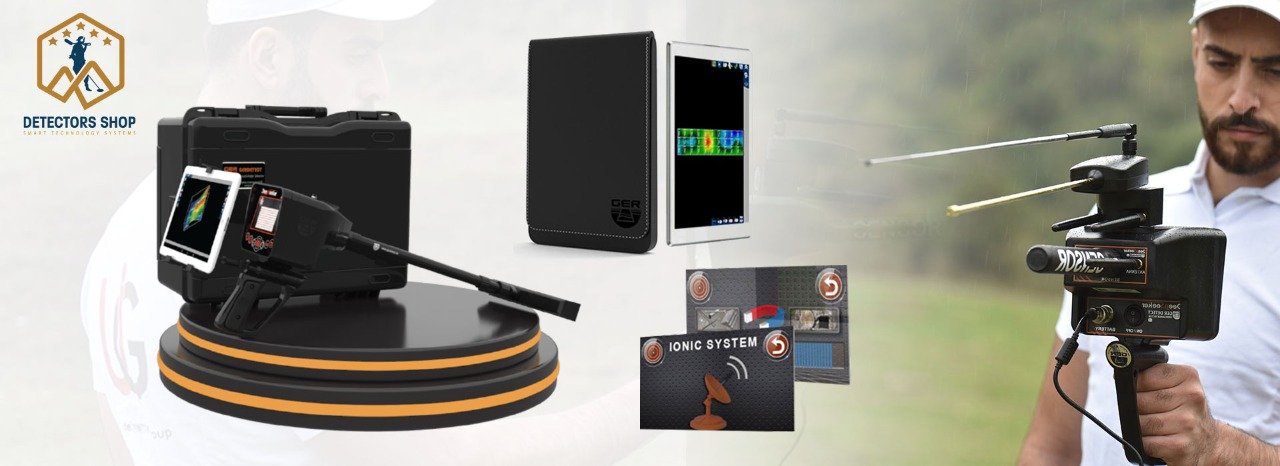
The Evolution NTX best gold metal Detector Device and the imaging system work together to reveal archaeological tombs and hidden treasures at underground depths of up to 9 meters.
Device Features :
- Beginner: Use a VLF coil and a perfect entry-level detector for 3D ground scanner technology to find treasure.
- Depth: Customers have discovered gems as deep as 8 meters (26 feet); see references.
- Use Cases: Cavity detection, natural gold prospecting, and treasure finding
- Operating Modes: Live Sound, Ground Scan
- Objects that can be detected include caves, tunnels, and safes
- Objects that can be detected include caves, tunnels, and safes
- search coil-equipped telescoping probe
- LED lighting for nighttime searching
- touch-screen display with full color
- VLF metal detector in live sound mode
- Using a GST or EMSR scanner in 3D mode
- user interface in several languages
- examination of graphic scans using the Visualizer 3D programme
- These additions and features have made the OKM Evolution NTX metal
- All treasure hunters, archaeologists, gold prospectors, and historians can benefit greatly from detectors.
3- FISHER F11
Fisher’s Gold Bug Pro is designed specifically to assist you in finding gold. It has a setting for extremely high frequencies.
The best gold metal detector has a much higher operating frequency of 19 kHz than the average unit. As a result, it is an excellent tool for locating even the tiniest gold nuggets.
In addition, Fisher has included a number of performance features to simplify your best gold metal detecting adventures.
For instance, the V-Break tone discrimination system makes it simple to ignore undesirable metals.
The tone of some cheaper metals, like iron, is lower. In the meantime, targets like coins and relics made of gold or silver produce a high-pitched sound. The best gold metal detector can also be used in soil that has a lot of minerals in it. The ground phase value can be determined by the best gold metal detector. Before moving on, you can see how mineralized the soil is with this.
Across the board, the Fisher Gold Bug Pro performs admirably. It is undeniable that this best gold metal detector will assist you in finding gold in places that standard options cannot, despite our wish that it had frequency settings that could be adjusted.
Features:
- 1- Weather-resistant
- 2- Identifier Icon of Iron
- 3 Readout for Ground Mineralization
- 4- Adjustable Iron Audio
- 5- Non-Volatile Memory Saves Configurations
Finally, a new Garrett best gold metal detector!
It is not only a brand-new model, but it also incorporates some of the well-liked design patterns of the Ace series into a new best gold metal detector that is both lightweight and efficient.
What is new?
Different frequencies at the same time. hybrid sound. Zero torque during rotation.
Isn’t that exciting?
Let’s visit the specifics to learn more about this new best goldmetal detector, which seems too good to be true.
Features:
- Viper DD Coil, Multi-Frequency
- Target Audio ID
- Multiple Settings That Can Be Changed
- Robust and lightweight
- Technology for Z-Lynk Wireless Headphones
The Minelab Equinox 900 is a ground and underwater best gold metal detector with multiple frequencies and uses. It also works perfectly for metal detecting gold nuggets because it has a special mode and two high operating frequencies. It lets you use multiple operation frequencies at once and choose just one (Multi – IQ).
Features:
- Ground Balance: Automatic, Manual, and Tracking
- Threshold Adjustable
- Noise Cancellation, Manual and Auto
- Speed of Recovery Adjustable
- Multi-IQ
FAQ|
Why Can’t All the Best Gold Metal Detectors Find Gold?
The best gold metal detector must have the appropriate controls to deal with ground conditions that can be noisy, obscuring the detector’s ability to “see” gold nuggets in the ground because gold typically occurs in difficult ground-mineralization.
How do best Gold Metal Detectors Work?
Is the best gold metal detector worth it?
The working principle of gold detectors appears to be complicated at first glance, but the following principle can simplify it: The signal of the electromagnetic field that is reflected from hitting a piece of metal, such as a gold nugget or coin, is processed by the metal detector as it sends an electromagnetic field toward the ground.
The best gold metal detector is also much more affordable than some of the more expensive alternatives because of its relatively low price. The best gold metal detector does a great job of finding gold in all situations. The operating frequency, 19 kHz, is significantly higher than what the majority of gold nuggets require..
Gold and Metal Detector Purchase From detector shop Gold and Metal Detector Purchase Are you interested in acquiring a gold and metal detector device from the renowned Detectors Shop company? In this guide, we’ll walk you through the process and highlight the key steps to make your purchase hassle-free and informed.
The Detectors Shop company offers a seamless shopping experience for gold and metal detector enthusiasts. Here’s how you can acquire your desired device:
Gold and Metal Detector Purchase
1. Payment Options:
Detectors Shop provides convenient payment options to cater to different preferences. You can complete your purchase using credit cards or PayPal. This flexibility ensures that you can choose the payment method that suits you best.
2. Online Shopping Convenience:
The company understands the value of your time and convenience. That’s why they offer an electronic shopping platform. This means you can explore their range of products, compare features, and make a well-informed decision from the comfort of your own home.
3. Showroom Experience:
While the online platform provides a comprehensive overview of their offerings, Detectors Shop also welcomes customers to their showrooms. This allows you to witness
firsthand the latest advancements in research and exploration technology. Additionally, you can see tangible examples of the company’s professionalism and dedication to quality.
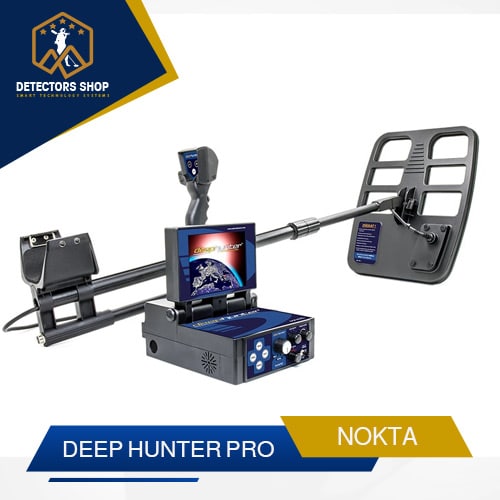
4. Competitive Pricing:
Detectors Shop takes pride in providing the best and most competitive prices. Their status as accredited agents of global factories gives them an edge in offering prices
that you might not find elsewhere. This advantage is further complemented by their range of integrated training programs and special price deals, adding more value to your purchase. click here for more information
Final Thoughts:
In conclusion, purchasing a gold and metal detector device from Detectors Shop company is a straightforward and rewarding process. Their diverse payment options, user-friendly online shopping, showroom experience, and commitment to competitive pricing ensure a satisfying buying journey. By choosing to buy from them, you’re not only investing in top-notch products but also benefiting from their expertise and professionalism.
For more details and inquiries related to the prices of gold detectors, please contact us through our platforms on social media, or contact us directly through our website, click here
What Is Metal Detecting in Detectors Shop Company ? We all know the benefits of exercise: a healthier heart, stronger bones, improved circulation, and flexibility. The hobby of metal detecting can be both rewarding and enjoyable at the same time. The hobby is fun and has been around for decades, and is becoming more and more accessible for everyone to try. People who metal detect find many interesting items, from coins to relics and everything in between.
Metal detecting is the search for valuable objects with a metal detector. Metal detectors come in a variety of configurations for use on land or underwater. These valuable objects are usually antiquities, such as coins, jewelry, relics, gold, and other artifacts.
The thing about metal detecting is that anyone can do it! In this article, we’ll look in-depth at how to get started and at the various types of metal detecting you can get into as a hobby!
How to Get Started Metal Detecting
Getting started with metal detecting is easy! So easy, in fact, there isn’t much basic equipment you need to get started. The equipment you’ll need to start metal detecting includes:
- Metal detector
- A digging tool
- Headphones
- A carry case for your equipment
- A pouch to hold your treasure and trash
- For those who want more info on metal detecting, consider buying a detectorist manual or guidebook! These resources include various tips and tricks for metal detection and information about different types of metals and relics that might be found using the equipment.
- Metal detecting involves taking your metal detector out to an area with a high probability of having valuable objects there and then using it until you find something. If you’ve never used one before, a metal detector usually gives off a sound when it detects something.
- Different metal detectors will give different sounds for finding different objects – iron vs. copper vs. gold, etc. All you need to start as a hobbyist is a simple handheld metal detector. Read metal detector reviews before purchasing a model that may be too basic or advanced for your needs.
- A wide range of detectors is available on the market. An entry-level metal detector may be all you need if you’re just starting out. A reliable, easy-to-use, and versatile metal detector may have enough features for an amateur hobbyist to learn from while spending less than other metal detectors. By watching videos or reading books about how to use a metal detector to find treasure, you can maximize the return on your investment!
- Keep Your Mind Focused and Alert
- There are many ways to stimulate your brain: crossword puzzles, reading, writing/journaling, painting, and drawing. When you challenge yourself intellectually, you exercise your brain and increase your mental capacity. A great way to keep your mind sharp is by pursuing hobbies and interests. Metal detecting is an amazing hobby that offers everything we all need to stay sharp and mentally active. It activates the imagination and requires problem-solving, patience, and perseverance. Not only that, treasure hunting with a metal detector is often very lucrative!
- Benefits of Metal Detecting
- Metal detecting takes you to different terrains out in the fresh air. It can be a very relaxing hobby while enjoying the peaceful tranquility of nature. Locating old coins, jewelry, and relics (items of interest from past generations) stimulates the mind as you’re learning about their history, value, and the people who once owned them. You will also learn a great deal about your city when you embark upon a treasure hunt. Before setting out, it’s a good idea to do some research in the town room of your local library. This will help determine which types of treasure are most likely to be found in your neck of the woods. If you are near the ocean or beach, you may want to hunt for lost coins and jewelry along the shoreline.
- What Types of Valuables Can You Find?
- Most beginners like the idea of searching for coins with their metal detectors. It’s simple and is almost always fruitful. Even if you come back with just a few dollars in loose change each time you go out, your metal detector is producing results! Jewelry such as rings and watches are other great finds with a metal detector. You can attempt to find their long-lost owners, sell the items or give them away. Among the popular relics to search for in the U.S. include Civil War pieces such as colonial buckles, buttons, swords, and musket balls-as well as more common jewelry and knives. Old coins are highly collectible, and a hot commodity easily found with a metal detector. You can search for Indianhead and Wheat pennies, Buffalo nickels, Barber dimes, Liberty and Washington quarters, gold coins, and early colonial coins.
- What Is a Cheap Yet Good Quality Metal Detector for a Beginner?
- In order to learn how to become a beginner metal detectorist, it does not necessarily have to be an expensive endeavor. Generally speaking, in any hobby, a good rule of thumb is “you get what you pay for.” The good news is that today, with all of the advances in technology, you can find a good quality detector without breaking the bank!
- One of the most inexpensive and best quality metal detectors for beginners is the Garrett Ace 400. The Garret Ace 400 is a high-quality metal detector that offers all of the basics you’ll need to get started.
- The Garrett ACE 400 has advanced capabilities like Iron Audio, digital target ID, and frequency modification to help you discover more riches while reducing waste. Headphones, a coil cover, and an environmental cover are included. The metal detector reviews on the Garrett Ace 400 boast its high-performance capabilities for beginners. When looking at metal detector reviews, look for their easy usage and convenient features, especially as a beginner.
- Metal Detecting Code of Conduct
- The metal detecting code of conduct is very similar in most countries across the world. The Treasure Hunter’s Code of Ethics designates a generally accepted code of conduct for metal detecting enthusiasts to follow. As part of our commitment to recreational metal detecting, we at Detector Electronics Corp. encourage responsible conduct and strict compliance with all local, state, and federal regulations and restrictions, as well as unconditional respect for the rights and property of others and those held in common by us all. Even though these values and standards may not be explicitly stated in every article your read on our site, they are an integral part of our philosophy, efforts, and goals.
- The metal detecting code of conduct states that you should never forget that you’re an ambassador for your hobby when you’re out with your metal detector. Do not engage in anything that might detract from the reputation of our hobby or pass up an opportunity to educate anyone who asks about it. You do not have permission to enter any property without obtaining prior authorization.
- The legal situation changes from country to country, state to state, county to county, or landowner to landowner. In the event that you damage property while detecting, you may still be liable for civil litigation. By damaging something with your digging tool, for example. Repairing any damage will not protect you from liability related to trespass, etc. It is best to check with your local authority before entering state land, such as state parks.
- Joining a Metal Detecting Club
- Getting involved in a metal detecting club is a great way to get started. Metal detecting clubs are made up of fellow hobbyists who know their territory very well. This can be extremely helpful when starting out; the members will often share information about where they have found good targets in the past.
- Most metal detecting clubs also arrange group trips to harder-to-reach locations that would otherwise be inaccessible without a guide. These organized events give you an excellent opportunity to try out different types of equipment in different conditions before making any expensive purchases. Check with your local club for upcoming events that you can take part in.
- Metal detecting club gatherings are also perfect places for meeting people with similar interests and having fun discussing stories from your hunts. You may even find kindred spirits or someone willing to go hunting with you on weekdays when there are no official meetings.
- How to Get Permission to Metal Detect
- Getting permission from landowners to metal detect on private property can be tricky and time-consuming. Many metal detecting enthusiasts choose to join a local metal detecting club to get access to land that is open for hidden treasure hunting, or better yet, use the permission of already established members as leverage when approaching landowners who would like to allow metal detecting on their property.
- However, if you’re metal detecting on your own, ensure you have permission from the landowner before you begin metal detecting, as it’s illegal to do so without consent.
- The first step towards beginning your metal detecting adventures at a new place is to make sure that you are not trespassing on anyone else’s property. Are you uncertain about a property and its owner? You should conduct thorough research before approaching them. When you approach a landowner, do so in a cordial, courteous manner.
- Remember that if you do not have written consent from the property owner or designated property representative, then you are trespassing and could be prosecuted for doing so.
- After acquiring landowner consent, contact your local governing agency for any restrictions or guidelines on metal detecting in your area.
- What Is the Best Way to Research Metal Detecting Areas?
- Now that you have permission to metal detect, where should you start? Researching areas for metal detecting is not an exact science – your best tool is your local knowledge and expertise.
- To research areas for metal detecting, there are several tools to use, such as Google Maps (satellite view), aerial photography, topographic maps, zoning maps, and plat books (online or at the library).
- Google Map Satellite View
- Using Google Maps’ satellite view will give you a good idea of where there might be valuable finds on someone’s property. If you can see landscaping that looks like it was done by hand, then that means the landowner has landscaped around valuable finds before.
- However, if you’re researching an area for metal detecting and all you find is undeveloped land with run-down houses – well, don’t waste your time! It may be city or government property, so you will need to research the area before going.
- Online Aerial Photography
- Using online aerial photography allows you to see images of what it looks like underneath the vegetation and topography. Many times, there are valuable clues about the land, like the location of trees and shrubs that can be spotted from this view. You might also find roads leading to abandoned buildings and structures used for war – perfect spots for finding relics!
- Plat Books at a Library
- Sometimes called property maps, these books give information on who owns the land and how much land they own. It is important to remember not every owner owns an entire parcel; many parcels reside under one name but are divided into different ownerships (i.e., domestic and international).
- Property Owners
- This one can be hit or miss – some property owners will give permission for relic hunting on their private property, while others won’t even answer your emails. It’s important to remember that many of these owners have inherited land from relatives and may not be very knowledgeable about the history associated with the parcel they own. If you are looking to find great items, you need to know where the best place to metal detect near you.
- Can You Metal Detect on Federal Land?
- Because metal detecting can be done virtually anywhere, there are state and local regulations on the land you’re allowed to metal detect on.
- Metal detectors are not permitted on federal property under federal law. Relic hunting, excavation for antiquities, and removing historical objects or artifacts are all prohibited by federal statute.
- State and local lands like state parks are usually controlled by the state’s bureau of land management. To find out whether your state park or local land near you allows for metal detecting, contact your local BLM.
- How Does Metal Detecting Work?
- Let’s take a look at how metal detecting works, what you can find, and the different types of metal detecting now that you’ve learned more about the hobby and how to start. The invention of the metal detector, which was intended to find a bullet that had hit US President James Garfield during an assassination attempt, was credited to Alexander Graham Bell. This early model wasn’t nearly as sophisticated as modern metal detectors despite its rudimentary design.
- Modern metal detectors function by sending an electromagnetic wave into the ground via the search coil. Any metal objects (targets) within the electromagnetic field will be energized, giving off their own electromagnetic signal.
- All metal detectors work on the principle that metal has different magnetic properties than the surrounding ground and other substances around it. Current is sent down a wire coil to produce an electromagnetic field.
- When a piece of metal goes through this field, its distinct atomic structure causes the current to either speed up or slow down, and the magnetic flux lines are changed, producing electrical signals that indicate the presence of a metal object.
- What Can You Find With a Metal Detector?
- Metal detectors are used in a range of settings and for various purposes. A metal detector may be utilized as a simple tool to spot metal such as nails and pull tabs in a yard, or it might be part of an intricate security system that finds weapons and illicit items. They can also be utilized to identify metal pollutants in underground lines.
- Metal detectors can be used in many different fields to find hidden metallic objects such as tools, scrap metal, copper wire, relics, and even gold nuggets. Metal detectors can also be used to check the specific conductivity of an object to see if items are made from valuable metals such as silver or gold.
- Types of Metal Detecting
- Because there are so many materials, you can find while metal detecting, there are different types of detectors used depending on what you’re going to search for. We’ll discuss the different types of metal detecting, what equipment is best for each, and how they work as a hobby!
- Metal Detecting for Coins or Jewelry
- Jewelry metal detecting is the most popular type of metal detecting. The equipment for this hobby is small and lightweight to be used in narrow or cluttered areas, such as when you’re searching for lost items like earrings on the beach or when seeking rare coins.
- It does not matter what your physical abilities are or how old you are, anyone can enjoy coin hunting. This type of sport not only provides exercise, relaxation, and excitement but can also be enjoyed alone or with friends as well. There are a lot of exciting places that are ideal for coin hunting, such as beaches, school yards, parks, ball fields, and old houses.
- Most detectors include a standard, medium-sized search coil. Coin-size objects can be detected with these conventional coils with sufficient depth and sensitivity. You may also opt for a bigger search coil if you’re targeting deeper targets or a smaller coil if you’re searching for things that are smaller or closer together.
- The Fisher F22 Weatherproof Metal Detector with 9″ Waterproof Coil is a great detector that can be used for a wide variety of metal detecting types. It uses VLF technology, which means it detects items using both audio tones and target identification indications on a digital display. It also has adjustable sensitivity settings so you can find what you’re looking for easier!
- To find coins with a metal detector, you should do some research on the coinage that is available in your area so that you know what kind of metals they are composed of and roughly how old they might be. Finding old coins can be educational and exciting, and some collectors may find even more joy in restoring them to their original condition.
- For example, older coins will most likely not contain silver and instead will be made up of copper and nickel or bronze alloys which produce weaker signals than sterling silver. Charles Garrett, the creator of Garrett Metal Detectors, was a major player in developing today’s metal detectors.
- So, Where Can I Find Old Coins?
- You can find old coins all around you in your house or even in the street. If you’re from a city, check out old parking lots and construction sites. If you’re from a more rural area, old farms and homesteads are great places to find coinage. Typically, coins are found from 4 to 12 inches deep under the surface.
- Relic Metal Detecting
- Relic metal detecting is one of the more popular types of metal detecting. From Civil war bullets to buckles and buttons and other weapons, there is a lot to find! It’s often carried out by people who are interested in history or have an interest in military artifacts, though this is not necessarily always the case. Relics can be found buried underground and underwater or in the contents of other cases or structures; it all depends on where you happen to be digging or swimming!
- Bounty Hunter metal detectors are a popular metal detector brand for coin and relic hunting. They offer waterproof coils and the ability to detect various types of metal. Any Bounty Hunter metal detector will get you the basics you need to search for relics, but top-of-the-line models like the Bounty Hunter Platinum Pro will make relic hunting a breeze.
- Relics are generally found with a metal detector that is more advanced. A lot of beginner detectors are not capable of finding relics because they don’t have the required features to cope with the loss of lower frequencies in certain metals, which means that only beginner detectors may only detect some targets at close range. With this said, there are some high-tech relic metal detectors out there on the market today.
- How Deep Will Metal Detectors Go?
- Metal detecting for buried coins, relics, or other valuables is a popular hobby. People use all sorts of detectors, and some people believe the deeper you want to go, the more expensive your detector should be. The depth of what can be detected depends on how much metal is in the target object.
- Metal detectors can usually detect objects about 4-8 inches (10-20 cm) deep. A mid-range metal detector can achieve a detection depth of 12-18 feet (30-45 cm) underground in ideal circumstances. Some expert devices may reach 65 feet (20 meters).
- Gold Metal Detecting
- To search for gold with a gold metal detector, you’ll need to be able to distinguish between gold and other metals. For this reason, you should set the discrimination on your metal detector low enough to accept only signals from small gold nuggets. If you set your discrimination high, it will filter out trash items, like bottle caps, that you come across, so you don’t have to dig them up. The downside is that you may miss some of the smaller, more valuable targets like gold jewelry if it is set too high.
- There are two superior types of gold detectors-very low frequency (VLF detector) and pulse induction (PI). VLF detectors designed to find gold has a higher operating frequency than other models in order to detect smaller golden nuggets.
- Underwater Metal Detecting
- Metal detectors that are able to work underwater fall into two categories: pulse induction (PI) metal detectors and very low frequency (VLF) metal detectors. By sending non-water-affected electronic pulses, underwater operation of pulse induction metal detectors is possible.
- Underwater metal detectors with pulse induction technology send electronic pulses that are unaffected by water and wet minerals. They transmit rapid electrical impulses that are sensitive to precious metals, allowing them to detect through wet or mineralized soil.
- Pulse induction metal detectors are excellent choices for treasure hunters and recreational users due to their ease of use, even when the user is not an underwater hobbyist.
- Beach Metal Detecting
- Depending on the type of metal detector you have, you may search for metals in both water and on land. The most sophisticated metal detectors are used to find precious items on the beach. In fact, some metal detectors are designed specifically for beach metal detecting. By exploring the best beach metal detectors and the beach metal detecting tips that are available, you too can find success while detecting in the surf and sand.
- The best metal detectors for beaches or deeper treasure hunting are those that use PI technology. This Pulse Induction (PI) technology is used in the very best beach units. Minerals are ignored by these types of detectors, so you can pick up your detector and start searching for treasure immediately. The best type of metal detector if you are spending a lot of time at the beach is this type of metal detector.
- It is very important to understand how your metal detector works, as well as where you can go to find some great treasures during beach hunting with a metal detector.
- Why Should You Go Metal Detecting?
- So now that you know how metal detecting works and the different variations you can choose to get into, let’s look at some of the benefits that metal detecting has as a hobby. Metal detecting can be a rewarding and exciting hobby that can lead to some great finds. As a hobby, metal detecting can also be a great way to get out of the house and get some exercise and can even be a fun activity to enjoy with the kids or as a family. If you are selecting a metal detector for a youngster, be sure to read our article entitled Best Kids Metal Detectors for some great tips and advice. If you hit it right, you may even come across a money cache.
- You should go metal detecting because there is the possibility of finding coins, rings, gold, and maybe even lost rings or treasures like Indian head pennies. There are many items you could find, and they may not all be worth money, but they will still be interesting to learn about.
- Just think about how interesting it would be if you found something that you’ve never seen before or learned more about history with your own two hands! Many collectors add to their collections by metal detecting. It is quite common for people to collect a wide variety of things, and there is no end to the number of things they collect. In most cases, these collections are born out of the desire for the entire family to be able to enjoy a hobby together and have fun together. Among the many metal objects that can be collected, coins and Civil War relics are among the most popular. In recent years, there has been a great deal of interest in historic belt buckles and buttons as well as other Civil War collectibles.
- Coins are the first thing that comes to mind when people hear “collectible.” Their rarity makes them valuable, but their historical significance makes them even more valuable. Alexander the Great (356-323 BC) minted some of the earliest coins. Copper, gold, silver, bronze, electrum, and silver were the materials used to make them. In most cases, early coins were struck using dies that had been used to strike Roman coins.
- You could also expand your social circle and make new acquaintances in the process. If you find something, you can always try to return it or share in the reward!
- If metal detecting doesn’t sound like your thing, but you like treasure hunts, then there are other similar activities that may be more to your taste, such as geocaching. You can even combine both of these things into one by going on a metal detecting geocaching adventure! So go ahead and get started with metal detecting! It’s worth trying at least once in your lifetime, and you will enjoy it no matter what difficulties arise.
- Best Metal Detectors for Seniors
- A good metal detector for seniors will be lightweight with enough features to make your treasure hunts successful. Metal detectors will typically locate all metallic objects, including gold, silver, iron, nickel, copper, and brass, aluminum, tin, lead, and bronze. There’s a great selection of professional-quality metal detectors that are feature-packed, designed for easy operation, and offered at an affordable price. You may enjoy deluxe features such as a target identification display, a large, easy-to-read LCD screen, a visual depth indicator, and multi-tone audio target identification. The target identification display offers great functionality-indicating whether you have found silver or copper, relics, possible gold coins, or iron. Sensitivity ground adjust controls can be adjusted on many models. These allow you to enhance your target range for deep targets or reduce the effects of ground mineralization. To choose a metal detector that’s right for you, go to the top of our site and select Browse Shop – you can then browse by category, brand or usage.
- For seniors, exercise is especially important! There is a laundry list of reasons you should keep your body active. Many challenges that come with older age (difficulty walking long distances, climbing stairs or carrying groceries), are due to a lack of physical activity. According to the Centers for Disease Control, seniors have the most to gain from activity-it that prevents a multitude of health problems. For instance, studies show that exercise wards off the onset of Alzheimer’s disease. The beauty of being a senior metal detectorist is you’ve got the time to really unearth some amazing treasures. Many enthusiasts simply don’t have the time to read and research sites properly, isolate a location, and go back as many times as is necessary to recover all the coins and valuables the site has to offer. Metal detecting is also famous for being a ‘family hobby’. Kids and grandkids will be eager to join in on the fun and adventure.
- Things You Can Find While Metal Detecting
- Though the hobby of metal detecting can be a fun and educational hobby to start, there are situations where it can be a profitable hobby as well.
- When metal detecting, you can find a ton of valuable items, including:
- Artifacts from wars and battles
- Buckles and buttons from soldier’s uniforms
- Gold coins
- Lost coins
- Relics
- Historically significant pins and metals
- Keepsakes of the deceased
- Coins and jewelry of historical value
- Where Can You Find Old Places to Metal Detect?
- We have put together the following ideas for some of the best places to go metal detecting. It is important to check the local laws before metal detecting on any site.
- Overgrown fields
- Old abandoned buildings
- Places of historical significance (battle sites, battlefields)
- Shipwrecks in coastal areas, and more.
- You can find old places to metal detect by researching family history and looking into ancestries. This way, you will be able to find cemeteries, old abandoned homes, historical landmarks, holes in rustic buildings, churches, forts, and bunkers, and battlefields from wars long ago.
- Once you’ve found an area where you believe there may be buried treasures to uncover, it is important that you walk around the area first so you can get a feel of what might be hidden underneath the ground. You should also look closely at any signs or fences put up by landowners so as not to trespass or disturb anything private belonging to others.
- How to Choose the Right Metal Detector
- Choosing the right metal detector depends on what you are looking to find out in there. For gold prospecting, you may need a metal detector that has a high sensitivity to small targets. If you’re interested in old relics and coins, or even modern objects like household appliances, etc., you can choose metal detectors that are designed for this purpose.
- When choosing your metal detector, it is essential to look for one that will be able to detect the widest range of materials, has an easy-to-use design, is lightweight for ease of use, and has decent battery life.
- Various types of materials are used to create the outer casings of metal detectors, so if you’re looking for something very specific, it’s worth shopping around first or asking a friend for recommendations.
- Among the features of various metal detectors is the ability to discriminate between different types of metal, automatic ground balancing, multiple frequencies, and depth indicators.
- Frequently Asked Questions
- Get started by reading the most frequently asked questions about metal detecting as a hobby, how to get started, and some of the specific areas of metal detecting.
- What Is the Best Metal Detector?
- There are plenty of metal detectors on the market, and each one has different features that work best for them. It’s not a matter of trying out which kind works best; it is about finding the right detector for you and your needs.
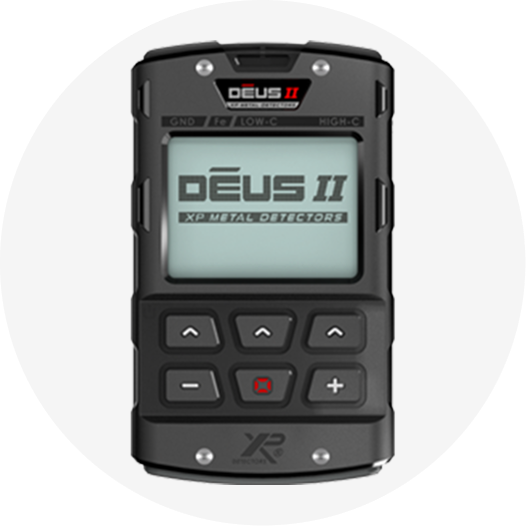
- The XP DEUS 2 Waterproof Multi Frequency Metal Detector is one of the best metal detectors on the market. It is the first wireless, fast simultaneous multi-frequency metal detector that is also waterproof to 20 meters, 65 feet underwater.
- The device includes 12 pre-programmed settings, one of which is specifically designed for gold nugget prospecting. The XP Deus 2 outperforms many of its competitors and can be used for nearly every type of metal detecting out there.
- What Is the Best Spade or Shovel for Metal Detecting?
- When metal detecting, it is important to have a spade or shovel that has the right weight and is comfortable to swing around. A spade or shovel that’s too heavy will cause unnecessary fatigue, while one that’s too light won’t be strong enough to get into hard ground.
- One of the best shovels to use when metal detecting is the Lesche T Handle Ground Shark 36″ Long Shovel. The finest quality steel is used to make the Lesche all-purpose shovel. It has a long, tapered cutting edge that resists dents and nicks from hard digging conditions.
- Private Property Metal Detecting Tips to Remember
- Even if you’re just doing it as a hobby, it’s always best practice to know the local laws when searching someone else’s land or water! You may have to comply with local laws regarding trespassing and reserved rights where you live. When metal detecting on private property, here are a few tips to keep in mind:
- Always ask permission to metal detect. This is extremely important in case you find any items of value that the landowner may be entitled to.
- Many people choose to obtain a written agreement when metal detecting on private property. This not only clarifies the rights and responsibilities of both parties but also provides solid proof in court should it come down to it.
- Stay in open areas whenever possible. Ensure that you have a clear idea about where you can and cannot go before beginning your search.
- Observe ‘No Trespassing’ signs and obey them – even if they’re not legally binding, you wouldn’t want to get in trouble with the police.
- Metal detecting is technically trespassing if the land is not owned by you or your family.
- If it’s someone else’s land, they may have rights to what you find!
In the realm of treasure hunting and archaeological exploration, gold and metal detectors come in various types, each designed to serve specific purposes. These devices,Metal Detector Types Metal Detector Types varying in technology and capabilities, play a crucial role in accurate and effective searches for hidden treasures. In this article, we delve into the distinct kinds of gold and metal detectors, shedding light on their functions and applications.
Sensor Gold Detectors:
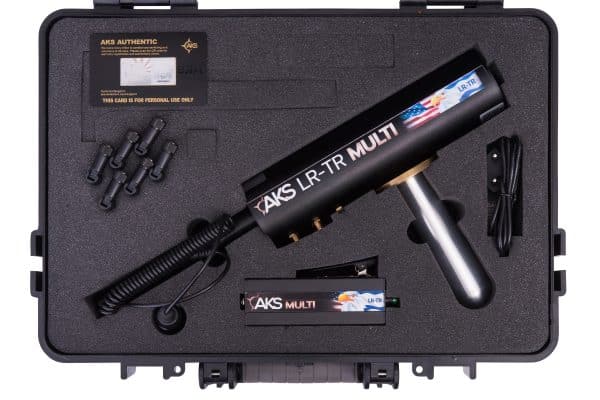
Sensor gold detectors, often referred to as long-range scanning devices, are pivotal tools that significantly impact the accuracy of searches. These devices excel in detecting gold in various environments, be it in close proximity or submerged underwater. Their standout feature lies in their ability to identify minerals even when they are buried deeply, boasting a search range of up to an impressive 40 meters underground. Some advanced models can cover expansive areas, potentially reaching distances of up to 2000 meters
Electromagnetic Metal Detector Types:
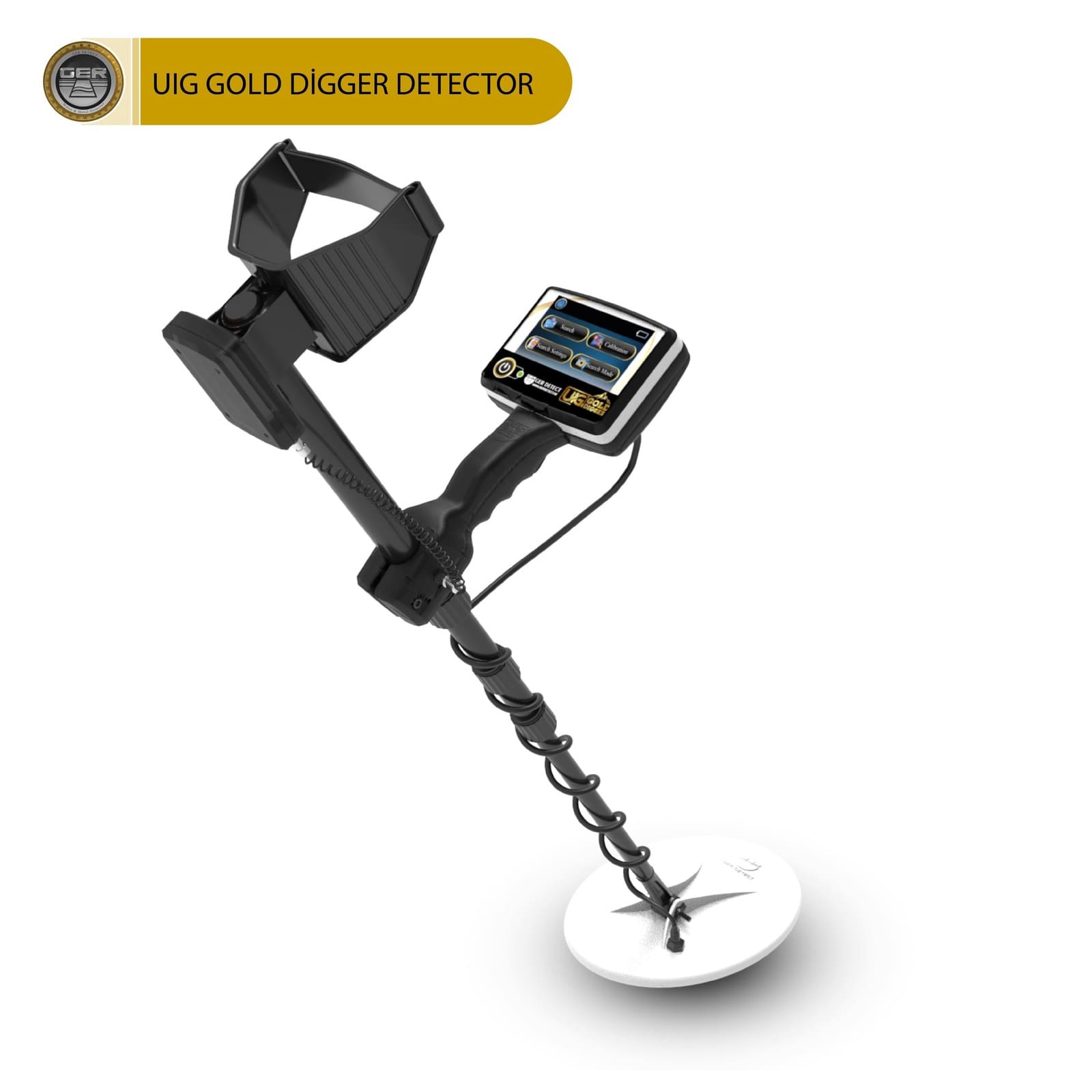
Electromagnetic gold detectors operate by capitalizing on the inherent properties of metals. These devices sense the presence of metals beneath the surface and transmit electromagnetic signals from the ground to the detector. These signals carry essential information about the type of metal detected, whether it’s the shimmer of gold, the gleam of silver, or even the sparkle of a diamond. These detectors create an invisible magnetic field that envelops the search area, effectively forming an electromagnetic boundary. click here
Applications Metal Detector Types
- Sensor gold detectors are particularly useful in identifying the locations of archaeological burials and buried treasures, regardless of their age. They can detect all types of metals, including gold, silver, platinum, and bronze. Among the most renowned sensor detection devices is the Mega Scan Pro, celebrated as one of the world’s most potent sensors.
golden metal detector
The world of treasure hunting and archaeological exploration is illuminated by a variety of metal detector types, each a technological wonder in its own right. From the depths of the earth to the depths of history, these detectors come with unique features and functions that cater to different needs. Sensor gold detectors exhibit unmatched precision in identifying buried treasures, while electromagnetic detectors harness invisible magnetic fields to distinguish various metals. Imaging gold detectors provide a three-dimensional window into the ground, aiding in meticulous searches. As technology evolves, these detectors continue to amaze enthusiasts and professionals, making the quest for hidden treasures an ever-enticing adventure. for more information follow in youtube
Imaging Metal Detector Types :
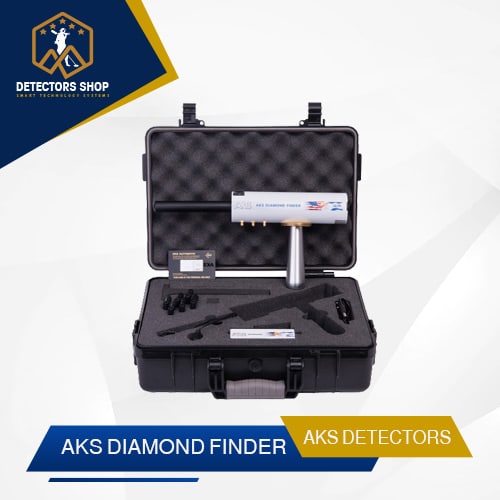
The imaging gold detectors employ dedicated search sensors in an intricate ground scanning and imaging process. This type of device is particularly adept at targeting buried objects that require precise accuracy and analysis to unearth. Through a connected display, these detectors present the excavation results in three dimensions, offering prospectors detailed insights.
- Imaging gold detectors excel in identifying minerals in challenging geological formations. They prove invaluable in scenarios such as searching for buried metals in battlefields or locating treasures concealed more than 25 meters below the surface.
In conclusion, the world of gold and metal detectors encompasses a range of technologies catering to diverse needs. From sensor detectors that reach impressive depths to electromagnetic detectors discerning metal types, and imaging detectors unveiling hidden treasures in three dimensions, each type serves a unique purpose. Understanding these distinctions is essential for enthusiasts and professionals alike, ensuring optimal results in the quest for history’s hidden treasures.
Keyword: Metal Detector Types, Gold Detector Varieties, Sensor Detectors, Electromagnetic Detectors, Imaging Detectors, Treasure Hunting Technologies.
For more details and inquiries related to the prices of gold detectors, please contact us through our platforms on social media, or contact us directly through our website, click here
- Mineral identification in hard rocky minerals
- Searching for buried metals on the battlefield, such as jewelry, valuable swords, and daggers.
- Finding metals beneath more than 25 meters down.
The Benefits of Metal Detecting Metal Detecting Many hobbies have extra benefits that come along for the ride. When a person goes jogging as a fitness hobby, they are getting an improved cardiovascular system, improved stamina, less chance of heart issues…etc. They also get to enjoy the outdoors, perhaps a jogging partner to go along with them.
Metal detecting is no different. In one of my earlier blogs, I mention how coin-collecting is a secondary hobby that you might not even know you liked – until you start metal detecting anyways. They both tie into each other fairly effortlessly, it is like a marriage of hobbies almost.
Other than secondary hobbies, what are some actual benefits that come directly from metal detecting? That is what we will be taking a look at today. Let’s get started!
best Metal Detecting
Probably one of the greatest aspects of metal detecting is that you get to spend time outside. It does not always have to be the same old scenery either. One day you can head a few blocks to your local park or school grounds (if allowed). The next you can head further out to a lake, beach, or mountain setting. If you prefer to be alone and away from people when you hunt, there are a plethora of old relics sites waiting to be found in backcountry. The sky is really the limit as long as metal detecting is allowed in that area. Almost every single state has wonderful scenery within an hour or two drive from ANY location on the map. Take advantage of it. Other people do, and where people are, drops are.
Just look at all of that area to detect!!!
History Metal Detecting
You might not have liked history as a child in school, but metal detecting will change that in a heartbeat. Like coin-collecting, the historical aspect of metal detecting is almost a forced second hobby. There is no way around it – you will be Googling those dates on the old coins. You will be researching for the when-where-why of those old relics that pop up. You will enjoy it!
There are detectorists from the Civil War and Colonial sites that are pulling up inscribed tokens and jewelry. Names and dates etched into them. A few times actually reuniting the item with a family member generations later. How rad is that? It really does make you look at history in a whole new light, when you are the one retrieving it from the ground.
EXERCISE
While nobody is going to be shedding pounds or getting buff, there is a bit of exercise that goes into metal detecting. You are constantly swinging a 3-pound weight (or heavier in many cases) side to side. That may not seem like much, but it can be fatiguing enough to get you to switch arms after a few hours. When your arms are burning, it means they are getting that workout.
What about the lower body? Kneeling down to dig a hole works those legs and back muscles. And last but not least, you can get quite a workout on a deeper coin in hard soil. As a matter of fact, you may just break a sweat going for a 6-7 inch coin in rough dirt with a had digger. If the location is close enough to home – might as well walk there!
BLING BLING!
Alright, let’s get down to it. The one thing everybody loves the most about this hobby is the chance to find that home run item. An old coin – a gold ring – a historical relic. This is the hobby that can make you gasp for air when that bucket list item pops out of the ground. Even if it is not a rare item worth hundreds or thousands, just the fact that we can go grab enough clad to pay for morning coffee is enough to put a smile on most people faces.
Like I have said 100X before, you will most likely never get rich in this hobby. However, you will probably find an item or 3 that really make you smile and do a little dance. Just make sure nobody is watching if you dance like I do.

My bucket list item – a 1940 Walker dug in 2017.
FRIENDSHIP
It does not matter if it is your online metal detecting forum – or your local club – there is always a new friend ready to be met in this hobby. Somebody out there uses your detector, and somebody lives near you who detects that is either online or part of that local club. For the most part, the people in this hobby are very friendly, very generous, and love to tutor and mentor new users. for maore information visit our chanel on YouTube
connect for get Metal Detecting
Also, if you already have plenty of friends, why not introduce them to your hobby? Many people prefer having somebody detect with them if not just for the safety aspects of the buddy system. Ask a friend or family member if they would like to go with you. You just might be surprised at how much they enjoy it, and you will have a new hunting partner to watch your back in the less than awesome parts of town. Win-win!
For more details and inquiries related to the prices of gold detectors, please contact us through our platforms on social media, or contact us directly through our website, click here
Metal Detecting With Friends Metal detecting is a hobby that many people prefer to do alone. Some detectorists do not want a partner to join them because they think it would be distracting, increase competition, and potentially result in the partner finding better items. Besides, many people like the peaceful and meditative quality of detecting alone.
However, having a partner to join you in metal detecting can make the experience much more enjoyable. The excitement of uncovering a special piece of history is more fun when you can share it with someone else. Additionally, detecting with a friend makes it easier to compare notes, test different targets, and enjoy the day together. It can also be reassuring to have a buddy with you for safety reasons.
Metal Detecting With Friends
When you’re detecting, your head is often down, and you’re listening for signals coming from headphones, so it’s easy to become distracted and unaware of your surroundings. If you’re in an area that’s less than ideal or a bit dodgy, having a friend with you can be a wise idea. Not only can you watch each other’s back, but the presence of another person can also deter criminals or animals that might pose a threat.
While metal detecting isn’t inherently dangerous, accidents can happen. It’s always a good idea to have someone around who can help in case of an emergency. After all, safety in numbers is a well-known concept.
Metal Detecting With Friends
Many metal detecting hobbyists know the feeling of being alone. It is a hobby that just doesn’t seem to need a partner or teammate. Don’t feel bad, as many of the participants scoff at the idea of taking another metal detectorist with them. What is the point?
Headphones will just block the conversation!
You can’t come near my detector, or we might get cross talk!
A partner potentially finding something better!
I just want some peace and quiet!
Metal Detecting With Friends
Trust me I understand. Seeing as how 75-80% of my metal detecting trips are alone, I would be fibbing if I said it wasn’t a nice Zen-type getaway at times. Every single one of us needs alone time now and again. For the types that cherish it more than others – metal detecting is a perfect fit to help escape the hustle and bustle of the normal day. I must also admit, that if I have had a rough day hunting and my partner walks over with great finds, it can be a bitter pill to swallow.
However, if I get to choose between going alone and having a partner, it will always be to have a partner with me.
My wife is my main detecting partner. I lucked out marrying a girl that is passionate about the hobby, and is also quite good at it. We both have a bit of competitiveness in us, and the day often ends up seeing who can dig the most coins – or oldest coins – or highest numerical value. I’m man enough to admit that she has won many more challenges than I have, but each challenge day was fun, full of laughter, and left us with great memories.
The way I see it, having a friend along for a day out metal detecting makes it more enjoyable. When one of us uncovers a special bit of history, we can ohh and ahh over it together. We can test different targets and compare notes together. Plus, if the weather is miserable, it’s always good to know my buddy is suffering along with me. That goes a long way.
Even kids know detecting with a friend is awesome.
All that being said, there is probably one reason that trumps them all. Safety.
When out metal detecting, our heads are down, and we are concentrating on signals coming from tight fitting headphones. Then, when a target is found, we get down on our knees and start digging in the dirt. This is obviously not the brightest display of safety that we can muster as humans. However, it is an inherent part of the hobby. Also, the fact that many of the older parks or home sites can be located in a “less that ideal” part of town, having a friend to watch you back is a wise idea.
Yes, I have heard the argument on forums numerous times. We all carry a digging tool that can double as a self-defense weapon, if we are aware of a threat. Or, if out in the backwoods, carry a firearm. While those are valid points, it can be very easy to get engrossed in the detecting process and get lost to the signals for a few minutes. A vicious dog loose in the city – a thief who has the guts to rob you in daylight – a bear or wild cat. Those only take a few seconds to go from unaware to right on top of you.
Not the safest position for awareness.
Many keyboard warriors on the internet seem to think they will just carve a bear up for dinner, have the robber in shackles, and carry on without skipping a beat. Any critical thinker knows that is not the case. One bonk on the back of the head is all it takes. Having another friend in the area can be the difference. Most criminals and dogs are cowards, so seeing another person who might intervene is all it takes to deter them. Safety in numbers and all that good stuff!
Now, before it sounds like I am making metal detecting out to be a dangerous hobby, let me clarify that it is not. No worse than swimming, or hiking, or working out at the gym. All of which should employ the buddy system as well.
No, obviously I don’t always go with a partner. Like I said above – most of the time I am alone when I metal detect. Especially if at a local park that is active and has a police presence, or at a private property in a decent part of town. However, if I am relic hunting in the backwoods – on a stretch of barren beach – or in a not so awesome part of town. I always want a friend to have my back.
In conclusion, while metal detecting is often done alone, having a partner can make the experience much more enjoyable and safer. Whether it’s competing for the most coins or oldest items, comparing notes or just sharing the excitement of uncovering something special, detecting with a friend is a great way to have fun while pursuing your hobby.
How to Choose a Metal Detector
No matter how good a friend is, you shouldn’t buy a metal detector based solely on their recommendation. If you’re new to the hobby, you should know that people who have been using detectors for a long time may be very loyal to the model and brand they use.
Most of the time, they don’t know much about anything new or different. In recent years, a lot of new electronics and features have come out. Therefore, you should always investigate a wide range of equipment.
How frequently will you utilize your new detector?
Do you prefer to metal detect on weekends or at any time? Do you plan to use your detector even when you go on vacation, even if you are retired, to look for objects as much as you can?
The majority of people who begin metal detecting discover that they truly enjoy the activity, so you should think about how well your detector can withstand repeated use. Before making a major purchase, you might want to think about renting a metal detector if all you want to do is try it out or find a lost item.
How rough are you going to be with your machine?
It’s possible that you will drop it, even if you don’t intend to. Think about all the jolts and bumps your machine will have to deal with if it is dropped on rocky terrain or in the trunk of your car. In the end, you’ll want a durable machine that can stand the test of time. To withstand heavy use, the majority of detectors today are constructed to stringent international standards.
Check out the warranty and read customer reviews of your metal detector before making a purchase. The majority of detectors come with excellent warranties that will keep you looking for treasures for a long time. In addition, these manufacturers will provide excellent customer service if you ever need to send your detector in for maintenance.
Where do you intend to use the detector?
Are you on the coast, close to a gold-mining region, or in a region rich in ancient coins and relics? If you want a “special purpose” detector, you need to pay close attention to the detector you choose. Different kinds of detecting can be performed with some of the specialty detectors, which have multiple modes of operation.
The majority of detectors will deliver on their manufacturers’ promises. However, the characteristics and features of various detector brands will vary. Swing speeds and weight requirements may vary depending on the detector. The number of sections that the detector will separate into is yet another feature to think about when packing and travelling for convenience.
Choose a Metal Detector for Gold, Relics, or Jewelry There are various metal detectors that are superior at locating various objects. Before choosing a metal detector, determine your interests. For gold, you’ll need a different model than, say, for relics or artefacts. Make sure you get a model that is either waterproof or made to be submerged if any of your plans call for searching across a riverbed or shallow stream.
There are numerous all-purpose metal detectors that can uncover gold, relics, coins, rings, and other jewellery, as well as rings, rings, and coins. You can find just about anything with a detector like the Minelab Equinox Series, the Garrett Ace, or the Garrett ATX.
There are numerous locations to go jewellery hunting and coin shooting if your primary objective is to have fun and get some exercise. To get rid of trash and junk targets, you’ll need a metal detector that can do it all, has great pinpointing capabilities, and has discrimination features.
A deeper-seeking detector is necessary if you want to find treasure caches, buried coins, relics, artefacts, and relics. You will also be able to filter out other things with these detectors. Hobbyist relic hunters favour the Minelab GPX 5000 and the Nokta INVENIO for real hidden and buried historic artefacts. Despite their higher price, these offer significantly more depth.
If you want to find gold nuggets or flakes, you’ll need a detector that works at a higher frequency and has smaller or special-shaped coils. It will also be more sensitive to smaller gold, which is harder for standard detectors to detect. Take a look at the Gold Nokta|Makro Kruzer. The world’s favourite gold detectors are the more expensive and extremely deep Minelab and Nokta models.
Metal Detectors for the Beach, a Park, or a Historic Site Consider where you’ll spend most of your time hunting. Do you have easy access to metal detecting in the water, mountains, parks, or fairgrounds?
On beaches and lakeshores, gold rings and jewellery are found in greater numbers than anywhere else. An underwater, beach, or land metal detector with a waterproof housing is necessary if you live close to the ocean, a river, or a lake and want to go into the water where the entire detector can be submerged or dropped into the water. Additionally, you’ll need one that can locate objects without losing signal due to conductivity in saltwater or on a wet sandy beach.
For this, you should also check out the Minelab CTX-3030 and the Minelab Equinox Series. All of these are great options that can help you find things on land and water.

Metal Detectors
How to Choose a Metal Detector Based on Experience ?
Even if you have never used a metal detector before, the majority of machines have quick start settings that make metal detecting as simple as turning on the detector and installing batteries. Pre-set discrimination settings let you focus on finds like old coins, diamond rings, and gold nuggets with the push of a button while removing iron waste.
You can calibrate your detector for various ground conditions and cancel out power line interference with automatic tuning. The in-depth features of your detector will be waiting for you when you’re ready for them, so you don’t have to learn everything about it right away.
There are plenty of powerful but easy-to-use detectors available to provide operators of all skill levels with an excellent experience. The Garrett ACE 400 and Garrett AT Max will provide novices with numerous trouble-free relic hunting experiences. Other machines have easy-to-use features that make it easy for both novice and experienced detectorists to learn how to use them.
Which price range is suitable for you?
Metal detecting is a pastime that can be financially rewarding. Consider it an investment in excitement, adventure, and fun.
The deeper and more sensitive your detector will penetrate, the better it will be. The majority of higher-end models have more automation and features, making tuning easier.
The wealth you discover using your detector can quickly add up. Your detector could be fully recouped by a single killer find, such as a diamond ring, gold bracelet, or old coin with a rare mint mark. We hear from people nearly every week about that one find that paid for their detector; it happens much more frequently than you might think.
How to Choose the Right Gold Detector to Achieve Accurate Research Goals Choosing the right gold detector is crucial to achieving precise and efficient results in your search for gold. Here’s a guide on how to select the most suitable device based on your specific needs:
1. Define Your Search Objectives:
- Type of Target: Determine whether you are looking for natural gold nuggets, buried coins, relics, or ancient treasures. Each target requires a different type of detector.
- Search Environment: Consider the environment where you will be searching. Will you be exploring in deserts, mountains, forests, or underwater? Some detectors are better suited for certain terrains.
2. Consider the Depth of Detection:
- Shallow Targets: If you’re searching for shallow targets, such as gold nuggets or small coins, a detector with high-frequency VLF (Very Low Frequency) technology is ideal.
- Deep Targets: For deeper buried treasures, larger relics, or caches, a detector with Pulse Induction (PI) technology is recommended, as it can penetrate deeper into the ground.
3. Evaluate the Detector’s Sensitivity and Discrimination:
- Sensitivity: High sensitivity is essential for detecting small gold particles. Ensure the detector can be adjusted to balance sensitivity to avoid interference from ground minerals.
- Discrimination: Choose a detector with good discrimination features to differentiate between gold and other metals like iron or aluminum. This helps avoid wasting time on unwanted targets.
4. Check the Device’s Ground Balancing Capability:
- Manual or Automatic Ground Balancing: The detector should be able to adjust for the mineral content in the soil, which can affect detection accuracy. Some devices offer automatic ground balancing, while others allow for manual adjustments.
5. Look for a User-Friendly Interface:
- Ease of Use: Ensure the device has an intuitive control panel and clear display, making it easy to operate, even for beginners.
- Portability: Consider the weight and design of the detector, especially if you plan to search for extended periods. A lightweight and ergonomic design will reduce fatigue.
6. Check for Additional Features:
- Waterproofing: If you plan to search in rivers, lakes, or wet conditions, ensure the detector is waterproof or has waterproof search coils.
- Target Identification: Advanced models come with target ID features, displaying probable target types on the screen to help you make informed decisions.
- Audio Tones: Multiple audio tones can help distinguish between different types of metals.
7. Set Your Budget:
- Price vs. Features: While it’s important to stay within your budget, ensure the device offers the necessary features for your specific search goals. Higher-end models might be more expensive, but they often provide better accuracy and additional functionalities.
8. Consider Brand Reputation and Reviews:
- Reputable Brands: Opt for well-known and reputable brands that have a proven track record in producing reliable and effective gold detectors.
- User Reviews: Read reviews and testimonials from other users who have similar search objectives. This can provide insight into the device’s real-world performance.
9. Seek Expert Advice:
- Consult with Experts: If you’re unsure, consider consulting with professionals or joining forums where experienced detectorists discuss and recommend devices based on specific needs.
10. Test Before You Buy:
- Field Testing: If possible, test the detector in real conditions before making a purchase. This hands-on experience can help you gauge whether the device meets your expectations.
Gold and Precious Metal Detectors
Gold prospecting is not an easy task due to the varying types of metals in the soil, the different terrains and climates encountered during detection, and the presence of larger deposits of these resources in early rock layers. This necessitates the use of specialized prospecting methods supported by advanced technological techniques.
What is a Gold Detector?
Gold detectors are electronic devices developed using specific technological techniques to detect gold and metals located beneath the earth’s layers, whether in the form of small nuggets or veins in rock crevices.
Why Use a Gold Detector?
Gold detectors are used to locate gold, precious metals, and buried treasures. The types of devices vary depending on the available systems in each device as well as the research objectives. Detectors Shop offers a variety of gold detectors suitable for any research purpose, including:
- Detecting natural raw gold with ultra-small nuggets
- Detecting gold veins within rocks in desert areas
- Prospecting for ancient treasures
- Detecting jewelry, old gold coins
- Detecting caves and voids
Are There Differences in the Frequency of Gold Metal Between Devices?
The frequency of gold metal found in the earth’s layers varies depending on several factors, such as:
- Climatic factors that have affected the metal throughout its existence
- Depth of the metal from the earth’s surface
- Age of the metal since it was formed underground
- Size of the metal discovered underground
The average frequency of gold is known to range between 5-15 kHz, which is the frequency that gold detectors from Detectors Shop are equipped with to detect the smallest nuggets and ensure product effectiveness and performance efficiency.
What Does a Gold Detector Consist Of?
The components and shape of a gold detector vary depending on the device’s search system. Detectors Shop offers flexible and easy-to-use gold detectors.
Components of a Gold Detector:
- The Arm: Connects the control box to the metal detector and is usually adjustable to suit the user’s height.
- The Stabilizer or Adjuster: Makes the device comfortable to use by acting as an armrest that stabilizes and balances the device, reducing its vibration during the search process.
- Control Box: Contains the electronic circuits, controls, battery, microprocessor, and speakers.
- The Coil: Forms the lower part of the device and acts as an antenna containing crucial coils to detect metals underground.
How Do Gold Detectors from Detectors Shop Work?
Some prospectors feel that gold detectors are complicated to use, so Detectors Shop provides explanatory guides on how gold and metal detectors work, how to use them correctly, and how to assemble the device properly.
The operation of the detector is based on sensing the presence of gold up to a mile away or less. It works through radio waves that emit a frequency sensitive to the presence of metals, allowing the scanner to locate the metal. The radio wave frequencies are generated by antenna design techniques or electronic circuits.
Types of Gold Detectors Offered by Detectors Shop:
The expertise of the Detectors Shop team in the field of gold detectors has evolved to the point where devices can be programmed with specific frequencies to find specific precious metals.
Gold has attracted the interest of many companies worldwide, leading to the production of specialized detectors. Gold emits weak signals, making it difficult to find without advanced devices.
We distinguish different types of gold detectors offered by Detectors Shop, with some of the most important being:
- Raw Gold Detectors (Electromagnetic):
The most widely used raw gold detectors, known for their ease of use and powerful results, can detect gold at great depths, up to 5 meters underground. The principle of these devices is based on the presence of a coil with electronic windings that generate a magnetic field sent toward the ground. This, in turn, reflects as another magnetic field received by the receiving coil, converting it into a digital signal displayed on the screen with an audio tone. Some of the best raw gold detectors: - GBX 6000:
A device easy to use in various environments and terrains, featuring a pulse induction system and a lightweight, balanced package. Features of the GBX 6000:- Operates in two modes (normal – difficult) depending on the type of ground.
- Includes three options for ground balancing (manual – automatic – fast tracking mode).
- Equipped with two search coils measuring 11 and 17 inches, with waterproof capability.
- Operates using a pair of rechargeable lithium-ion batteries.
- Provides two options for sound output, either via the built-in speaker or Bluetooth headphones.
- GMT 9000:
A precise device operating with advanced techniques and high-polarization frequencies to detect small gold sizes at a depth of 2 meters. Features of the GMT 9000:- Accuracy and speed in performance.
- Sensitivity control system.
- Adaptability to changing soil conditions with a calibration system.
- Frequency control capability based on the user’s skill.
- Ease of use and lightweight design.
- Various search sensors.
- Audio System Gold Detectors:
Pulse-based detectors operating on the electromagnetic system, specializing in detecting raw gold and small metal pieces like coins and precious metals at depths of up to 5 meters underground. These detectors receive electromagnetic field signals emitted by the targets and translate them into audible alerts. Features of Audio System Detectors:- Easy to use, suitable for beginners and hobbyists.
- Suitable for specialists searching for raw gold, coins, and recent finds.
- Ability to isolate specific types of metals like iron, aluminum, or copper to avoid signals from these metals and focus only on precious metals like gold and silver.
- Water-resistant, making them usable on beaches.
- Operating unit.
- Battery.
- Device arm.
- Search coil.
- GPZ 7000 from Minelab, Australia:
Operates using Zero Voltage Transmission (ZVT) technology, which is highly advanced and exclusive to this device, allowing the detection of natural raw gold nuggets at depths of up to 5 meters with high accuracy and sensitivity. Features of the GPZ 7000:- High performance in all types of terrains through automatic ground balancing.
- Fast response and good sensitivity to capture signals.
- Water-resistant search coil, allowing for exploration in seas and rivers up to 1 meter deep.
- Adaptability to all climatic conditions, including heat, humidity, and rain.
- Capability to use Super D technology, represented by using an additional D coil with the elliptical coil to increase sensitivity and depth.
- Ability to cancel noise and interference.
- Tracking technology for saving search coordinates.
- Easy-to-use software available in multiple languages.
- Wireless sound unit as an alternative to wearing headphones, allowing for easier movement.
- Titan Gear 1000 by Detectors, Germany:
A highly effective device for detecting gold and buried treasures underground using 5 search systems that detect gold and precious metals up to a depth of 45 meters. Features of the Titan Gear 1000:- Compact and easy to use.
- Touch screen display for showing information.
- Precision in target identification.
- Ability to set the forward range up to 2500 meters.
- Ability to specify the type of metal being searched for.
- Available in multiple languages.
- Effective in all types of terrains and unaffected by rocks or barriers.
- Remote Sensing System:
Allows accurate target identification with a digital guidance screen and knowledge of the metal type. - Ionic Search System:
Saves time and effort by allowing the user to pinpoint the target within a small circle with a radius of only one meter, thanks to the ions’ effect on the device. - 3D Imaging System:
Enables imaging of the earth’s layers from three directions, allowing accurate determination of the target’s shape, size, and location. - Magnetic System:
Detects magnetized metals and distinguishes between precious metals and others, reaching depths of up to 45 meters underground. - Pulse Induction System:
Operates at a pulse induction frequency, capable of automatic calibration with the ground, and ensures effectiveness against noise and interference.
- Deep Seeker by Detectors, Germany:
A device operating with 5 different search systems, capable of reaching a depth of up to 40 meters underground and a forward range of 3000 meters. Deep Seeker works in various types of terrains and is resistant to humidity and interference from unwanted signals to detect precious metals and treasures. The Deep Seeker uses 5 search systems in one device:- Remote Sensing System:
Allows accurate target identification with a digital guidance screen and knowledge of the metal type. - Ionic Search System:
Saves time and effort by allowing the user to pinpoint the target within a small circle with a radius of only one meter, thanks to the ions’ effect on the device. - 3D Imaging System:
Enables imaging of the earth’s layers from three directions, allowing accurate determination of the target’s shape, size, and location. - Magnetic System:
Detects magnetized metals and distinguishes between precious metals and others, reaching depths of up to 45 meters underground. - Cavity Search System:
The device is equipped with a magnetic sensor to search for cavities, with signal strength displayed by an indicator to detect tunnels, corridors, and underground
- Remote Sensing System:
By carefully considering these factors, you can choose a gold detector that aligns with your research goals, ensuring more precise and successful outcomes in your treasure-hunting endeavors.
